Quick Information
Haridwar - Barkot - Yamunotri - Barkot - Uttarkashi - Gangotri - Uttarkashi - Guptkashi - Kedarnath - Guptkashi - Badrinath - Joshimath - Badrinath
9 Nights / 10 Days
Private Tour & Customizable
Couple / Family / Friends / Group
—
English / Spanish / German / French / Hindi
On Request
Yes (T&C*)
3-Star Hotel
Minimum 2 PAX required (T&C*)
Tour Highlights, Inclusions & Exclusions
-
Majority of the restful and easy Char Dham tour.
-
Additional acclimatization and buffer days.
-
Vision of all the four holy dhams.
-
Himalayan road travel tours.
-
Kedarnath and Gangotri overnight stay.
-
Perfect fit among elderly and households.
- Pick-up and drop-off from Delhi/Haridwar/Dehradun/Rishikesh (as per package).
- Private cab/tempo passenger service with an experienced driver for the entire trip.
- Fuel, toll tax, parking, and driver allowances.
- Hotel/guesthouse accommodation on twin/triple sharing basis.
- Breakfast and dinner at hotels daily during the trip.
- Sightseeing and temple visits in Yamunotri, Gangotri, Kedarnath, and Badrinath as per the itinerary.
- Assistance with registration arrangements for the Char Dham Yatra.
- Meet-and-greet assistance.
- 24x7 customer support throughout the trip.
- Airfare/train tickets to Delhi or Haridwar.
- Helicopter tickets to Kedarnath.
- Pony, palanquin/doli, or porter charges at Yamunotri and Kedarnath.
- Temple donations, darshan passes, or special puja fees.
- Lunch, snacks, and beverages are not included.
- Professional tour guide services (unless specified).
- Personal expenses (shopping, laundry, tips, phone calls, hotel heater charges, etc.).
- Camera/video camera fees at attractions.
- Additional sightseeing or vehicle use outside the prescribed itinerary.
- Government taxes/GST (if not specified).
Tour Overview
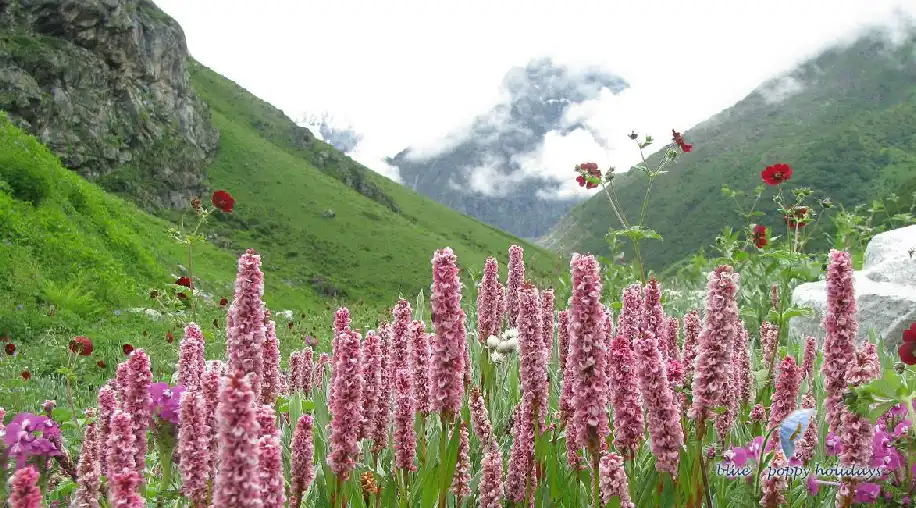
The 10 Days Char Dham Yatra allows the pilgrims to travel to Yamunotri, Gangotri, Kedarnath, and Badrinath at a slow pace. The extended time will allow time to adapt to the elevation, sightseeing, taking a nap, and contemplation. It is an excellent choice for those older people, families, first-time pilgrims and those desiring a slower pilgrimage. The trip begins in Haridwar, Rishikesh, or Dehradun, and then moves slowly through the beautiful Himalayas, sacred river valleys, ancient temples, and mythological sites that are the core of Uttarakhand, with convenient travel options such as a Rajasthan cab to reach the starting point.
Detailed 10 Days Char Dham Yatra Itinerary Tour Itinerary
Day 1: Haridwar / Rishikesh / Dehradun to Barkot – Entering the Sacred Himalayas
Begin the Char Dham Yatra by an easy trip that starts at Haridwar, Rishikesh or Dehradun and then to Barkot, the Yamunotri Temple nearby town. Passing by Mussoorie, which is the view of the Doon Valley, winding mountain roads, fresh hill air. A lot of pilgrims take a brief stop at Kempty falls. Barkot is located on Yamuna River and is a nice place to rest and acclimatize with the altitude. Upon arrival, you need to have dinner, sleep in your hotel.
Day 2: Barkot to Yamunotri and Return to Barkot – First Holy Darshan
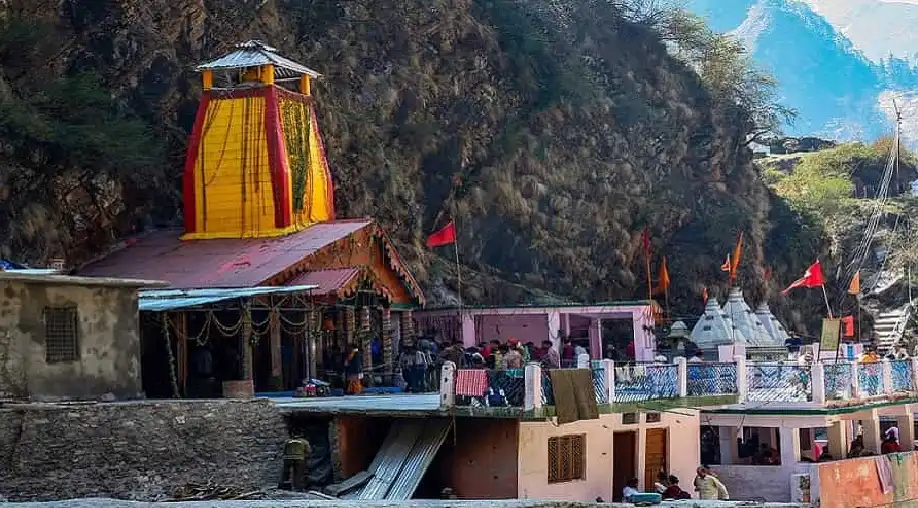
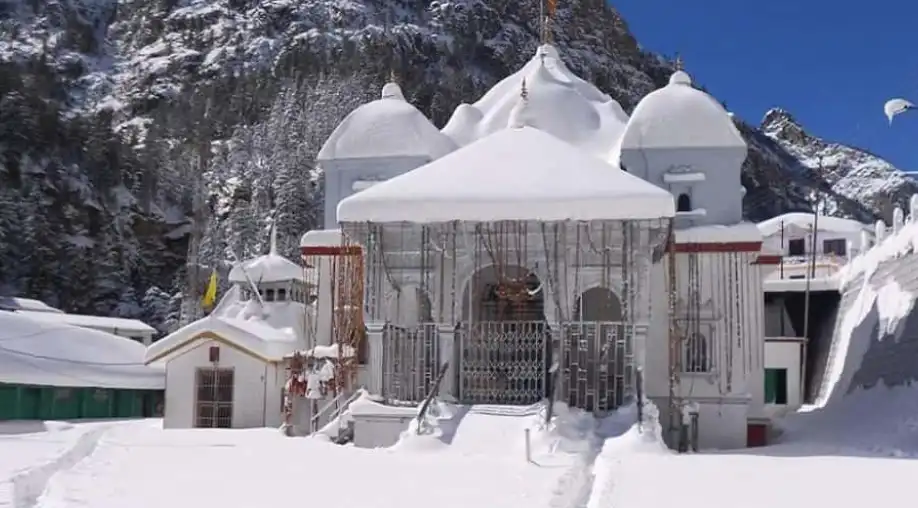
Go in the morning to Janki Chatti or Phool Chatti, the beginning of the 6 km walk to Yamunotri Temple. You may walk, or ride on a pony, or ride on a palki. The walk depicts waterfalls, dense trees and snow-white mountains. In Yamunotri, the pilgrims bathe in the Surya Kund, prepare rice food in the hot spring and offer prayers to Goddess Yamuna. Having seen the temple, walk back and spend the night in Barkot.
Day 3: Barkot to Uttarkashi – Journey Along the Bhagirathi River
Breakfast and proceed to Uttarkashi, a sacred town of Bhagirathi River. The drive features apple farms, fields, and villages. After that visit the old Kashi Vishwanath Temple and Shakti Temple both of Lord Shiva. Uttarkashi is highly significant in religion and it is referred to as the twin brother of Varanasi. Eat and spend the night at Uttarkashi.
Day 4: Uttarkashi to Gangotri – Darshan of Goddess Ganga
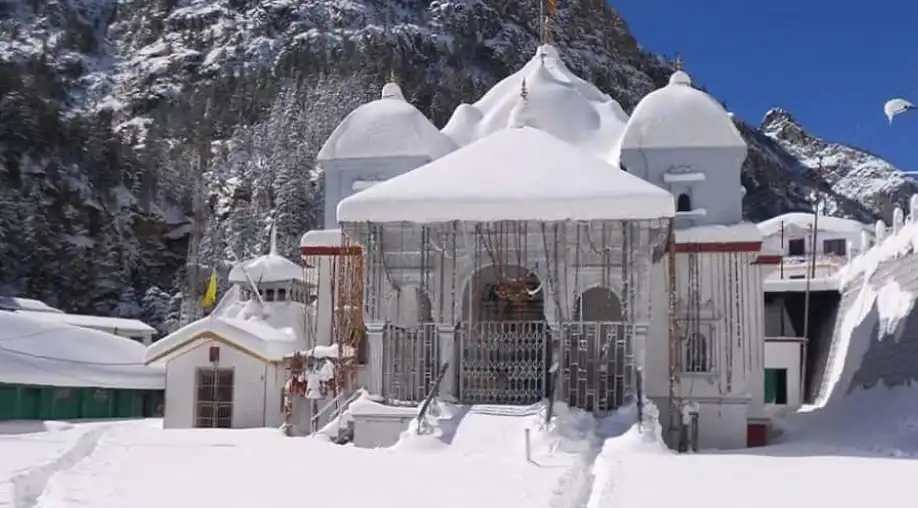
Take it very slow on the fourth day to Gangotri Dham, via the Harsil Valley, with its high deodar trees and unpolluted picturesque. Once there, pilgrims take a dip in cold Bhagirathi River and make prayers at the Gangotri Temple to the goddess Ganga. Visit the temple and have a rest in the peaceful spot. And then stay the night in Gangotri or in Harsil near by to become more spiritual.
Day 5: Gangotri to Uttarkashi – Spiritual Reflection and Rest
Start the day with morning prayers at Gangotri, and have a lazy drive back to Uttarkashi. This day gives pilgrims time to rest, get acclimatized and spiritualize. The interested people can visit local temples, aarti in the evening by the river, or just rest in the natural environment. This buffer day transforms the 10-day itinerary into a comfortable and less physical demanding day.
Day 6: Uttarkashi to Guptkashi – Moving Towards Kedarnath Region
Breakfast and drive to Guptkashi which is close to Mandakini River. The trip has incredible sceneries of the Alaknanda and Mandakini rivers, the green valleys and the Himalayan peaks. On arrival, pay a visit to the holy temple of Vishwanath and Ardhanarishwar. The evening is maintained as a free time since preparation of Kedarnath trek is needed. Hotel and night stay at Guptkashi.
Day 7: Guptkashi to Kedarnath – Darshan at the Jyotirlinga of Lord Shiva
In the early morning, drive to Gaurikund, where you start with the 18km walk to Kedarnath Temple. Pilgrims have a chance to walk or ride on ponies, palkis, and helicopter (provided that there is no bad weather). The pilgrimage with spiritual undertones is accompanied with the chants of “Har Har Mahadev” reverberating through the mountains. On arrival at Kedarnath Dham pray in one of the 12 Jyotirlingas of Lord Shiva. Stay Over Kedarnath Kedarnath is a good place to spend the night after evening aarti to get the divine tranquility of the temple.
Day 8: Kedarnath to Guptkashi – Descending with Divine Blessings
The descent trek to Kedarnath Trek Starting after the early morning darshan at Kedarnath, continue the descent trip into Guptkashi with a drive back to Guptkashi. The slow fall is used to assist in acclimatization and physical ease. The remaining day is dedicated to relaxation, spiritual talks and recollection of Kedarnath experience. Late evening and stay at Guptkashi.
Day 9: Guptkashi to Badrinath via Joshimath – Final Dham Approach
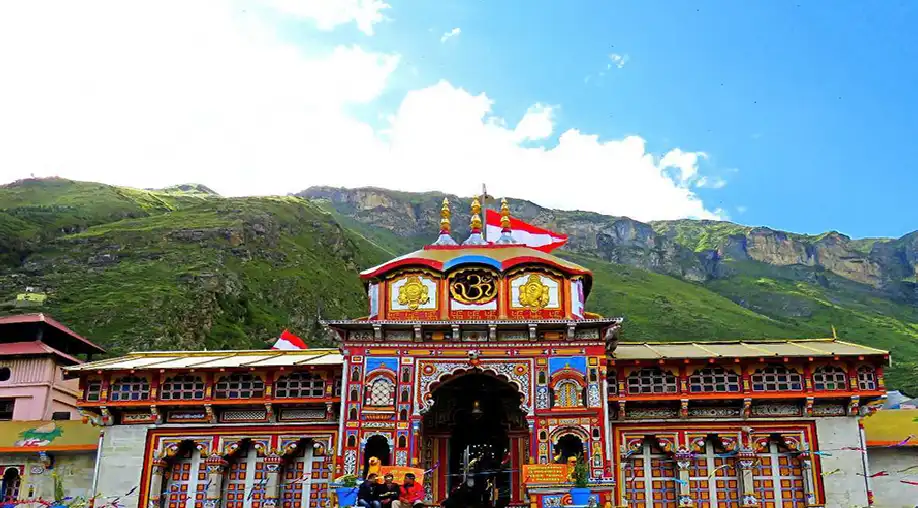
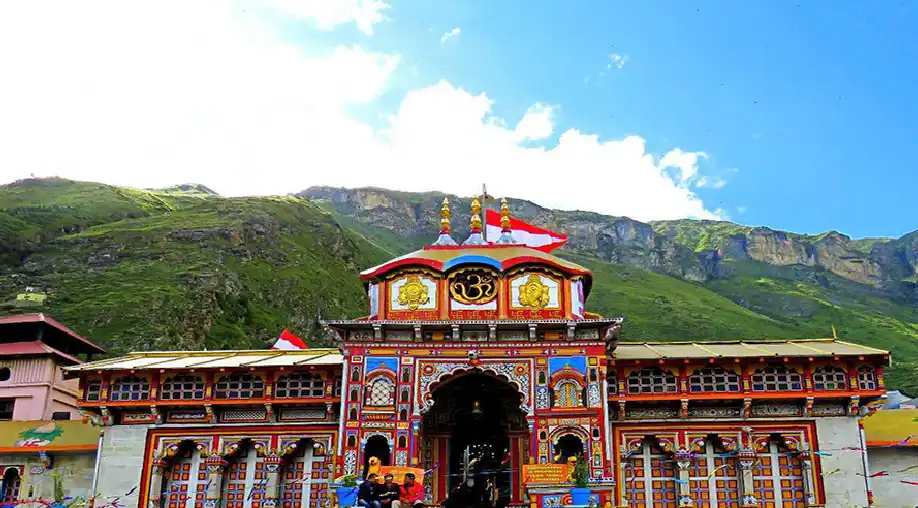
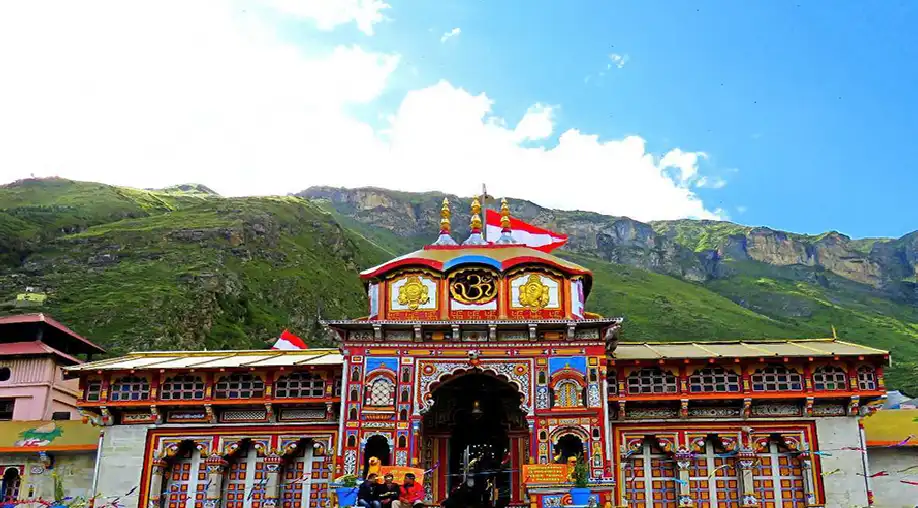
Day nine is the day of traveling to Badrinath Dham through Joshimath with a beautiful view of snow-covered mountains and river unions. On their way, pilgrims observe the point of sacred confluence of the rivers Alaknanda and Mandakini. On reaching Badrinath, have a holy bath in Tapt Kund and evening aarti in the Temple of Badrinath. Overnight stay at Badrinath.
Day 10: Badrinath Sightseeing and Departure – Completion of Char Dham Yatra
On the final day, in the morning visit Badrinath Temple. Then visit Mana Village, Vyas Gufa, Mata Murti Temple and Bhim Pul. The tour is enhanced by these sacred and historical sites. Once the fourth dham has been completed, the Char Dham Yatra is complete and the pilgrims have a spiritual fulfillment, peace and a blessing.
Common Questions
Is 10 days ideal for Char Dham Yatra?
Yes, 10 days is the most comfortable duration for a relaxed Char Dham Yatra.
Is Kedarnath trek mandatory?
Yes, unless using helicopter services.
Are buffer days included in this itinerary?
Yes, this itinerary includes buffer and rest days.
Is Char Dham registration compulsory?
Yes, all pilgrims must complete government registration.
Can senior citizens complete this yatra comfortably?
Yes, this itinerary is especially suitable for senior citizens.
Why Book With Rajasthan Cab?
-
Best Price Guarantee
Lower price with transportation and complete package
-
24/7 On-Trip Support
Dedicated support team for WhatsApp, Mail and Call
-
Private AC Vehicles
GPS-tracked, clean Sedan / SUV fleets
-
Certified Tour Operator
Recognized by Rajasthan Tourism - Cert. Ref: TES/2020-21/150
-
25 Years of Trust
Serving thousands of travelers with excellence
-
Highly Rated
400+ Google & 950+ TripAdvisor reviews (4.8)
Certificate of Recognition
Ref. No: TES/2020-21/150
M/s. RAJASTHAN CAB is recognized as TRAVEL AGENCY / EXCURSION AGENCY by Department of Tourism, Rajasthan Government.
Issued: 06/10/2023
Cancellation, Confirmation & Refund Policies
- 25% of the total booking amount is required in advance to confirm the reservation.
- The remaining 75% must be paid upon arrival or as mutually agreed.
- We accept UPI, Net Banking, Credit/Debit Cards, and Cash.
- The customer receives a confirmation voucher via email within 24 hours of successful booking
- In case the preferred slots are unavailable, an alternate schedule of the customer’s preference will be arranged and a new confirmation voucher will be sent via email.
- Alternatively, the customer may choose to cancel their booking before confirmation and a full refund will be processed.
- Refunds (if applicable) will be processed within 7–10 business days via the original mode of payment.
- Partial refunds may apply based on vehicle usage, time, or last-minute cancellations.
- 45 days before travel no cancellation will be charged.
- 30–45 days before travel: 20% cancellation charge or you can use in future booking similar or morethen current value amount
- 7–30 days before travel: 40% cancellation charge.
- 0–7 days before travel or no-show: 100% of the booking amount will be charged.
- In case of force majeure (natural disasters, strikes, government restrictions), alternate arrangements will be offered. No cash refund in such cases.