Quick Information
Haridwar - Rishikesh - Dehradun - Barkot - Yamunotri - Barkot - Uttarkashi - Gangotri - Uttarkashi - Guptkashi - Kedarnath - Pipalkoti - Badrinath
7 Nights / 8 Days
Private Tour & Customizable
Couple / Family / Friends / Group
—
English / Spanish / German / French / Hindi
On Request
Yes (T&C*)
3-Star Hotel
Minimum 2 PAX required (T&C*)
Tour Highlights, Inclusions & Exclusions
-
Slow-paced program and additional acclimatization.
-
Bhagwat of the four holy dhams.
-
Himalayan scenic road journeys.
-
Spiritual walking tour to Yamunotri and Kedarnath.
-
Tours to primeval temples and confluence of rivers.
-
Perfect family and senior citizen.
- Pick-up and drop-off from Delhi/Haridwar/Dehradun/Rishikesh (as per package).
- Private cab/tempo passenger service with an experienced driver for the entire trip.
- Fuel, toll tax, parking, and driver allowances.
- Hotel/guesthouse accommodation on twin/triple sharing basis.
- Breakfast and dinner at hotels daily during the trip.
- Sightseeing and temple visits in Yamunotri, Gangotri, Kedarnath, and Badrinath as per the itinerary.
- Assistance with registration arrangements for the Char Dham Yatra.
- Meet-and-greet assistance.
- 24x7 customer support throughout the trip.
- Pick-up and drop-off from Delhi/Haridwar/Dehradun/Rishikesh (as per package).
- Private cab/tempo passenger service with an experienced driver for the entire trip.
- Fuel, toll tax, parking, and driver allowances.
- Hotel/guesthouse accommodation on twin/triple sharing basis.
- Breakfast and dinner at hotels daily during the trip.
- Sightseeing and temple visits in Yamunotri, Gangotri, Kedarnath, and Badrinath as per the itinerary.
- Assistance with registration arrangements for the Char Dham Yatra.
- Meet-and-greet assistance.
- 24x7 customer support throughout the trip.
Tour Overview
The 8 Days Char Dham Yatra is a slow-paced pilgrimage that allows the devotees to explore the four most sacrificial Hindu temples of Uttarakhand—Yamunotri, Gangotri, Kedarnath, and Badrinath—without much fatigue associated with travelling. The itinerary is ideal for families, adults and pilgrims who do not have to hurry across the challenging Himalayan road on the trip but have a spiritually rich one. The yatra begins in Haridwar, Rishikesh, or Dehradun, and through the beautiful river valleys, the old temples, snow-white mountains and locations of immense mythological and religious significance, the journey goes on, with convenient travel options such as a rajasthan cab for reaching the starting point comfortably.
Detailed 8 Days Char Dham Yatra Itinerary Tour Itinerary
Day 1: Haridwar / Rishikesh / Dehradun to Barkot – Beginning of the Sacred Journey
Your Char Dham Yatra begins with an early morning departure from Haridwar, Rishikesh or Dehradun to Barkot, which is the base town of Yamunotri Dham. The picturesque mountainous journey passes by Mussoorie, which provides new perspectives of green mountains and rolling roads in deep gorges. The Kempty falls are a frequent stop by pilgrims who want to have a rest and nature. Barkot is located along Yamuna River and it is a good place where one can get accustomed to the height. Upon arrival, you will register in your hotel, have a hot dinner and sleep in readiness to go on the first holy visit.
Day 2: Barkot to Yamunotri and Return to Barkot – Darshan of Goddess Yamuna
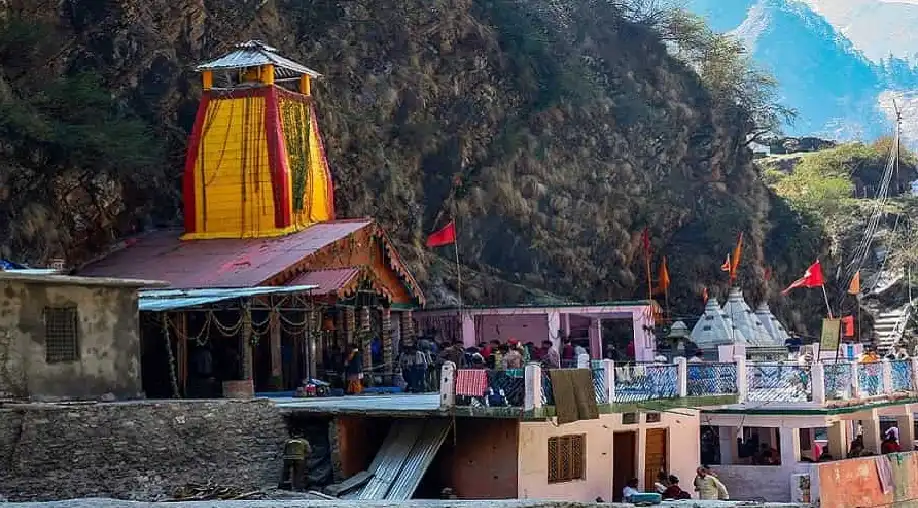
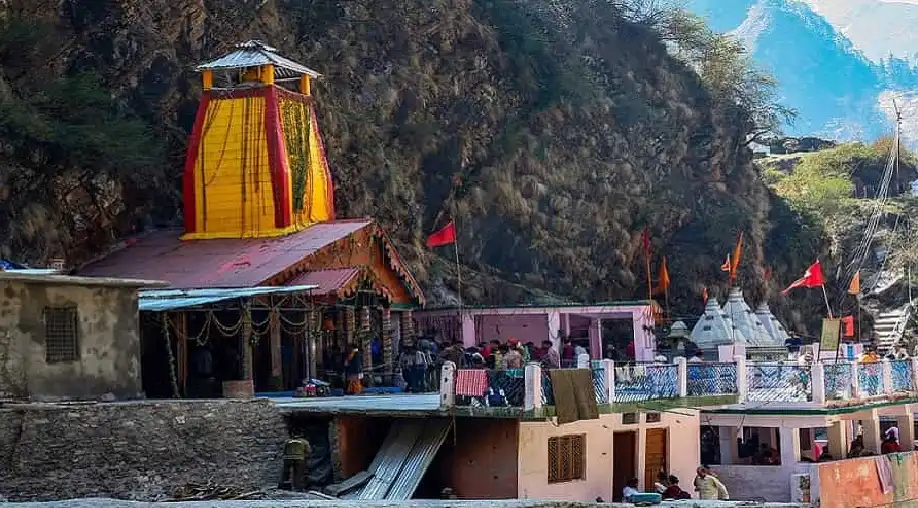
In the morning, go to Janki Chatti or Phool Chatti, and a 6-km walk to Yamunotri Temple begins. Pilgrims are free to walk or employ ponies, palkis and tandas. The hiking path is wonderful as it is surrounded by dense trees, water-falls and snow-white mountain tops. The followers of Yamunotri Dham offer a special offering to Goddess Yamuna by taking a sacred bath in Surya Kund, boiling rice in the heated spring, and praying to this deity. Following the visit, walk back and back to Barkot where dinner and an overnight stay will be spent.
Day 3: Barkot to Uttarkashi – Entering the Land of Lord Shiva
Have breakfast and then go to Uttarkashi, a town of spirituality beside the Bhagirathi river. The scenic drive is breathtaking with a sight of riverbanks, apple orchards and Himalayan village life. At this point, pilgrims pay homage to the old Kashi Vishwanath Temple as well as the Shakti Temple who are both dedicated to Lord Shiva. Uttarkashi is the equivalent of Varanasi but is located in the north. It is an ideal place to relax and have rest, as this place is peaceful.
Day 4: Uttarkashi to Gangotri and Return to Uttarkashi – Darshan of Goddess Ganga
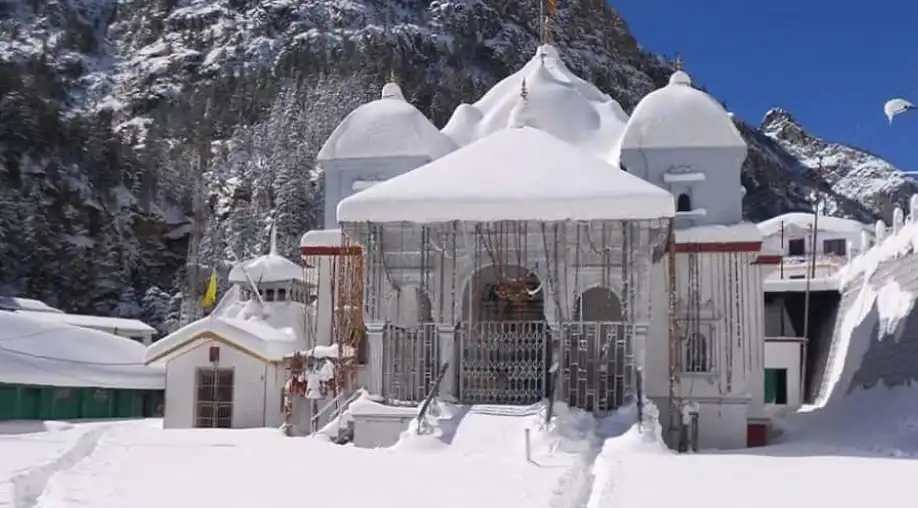
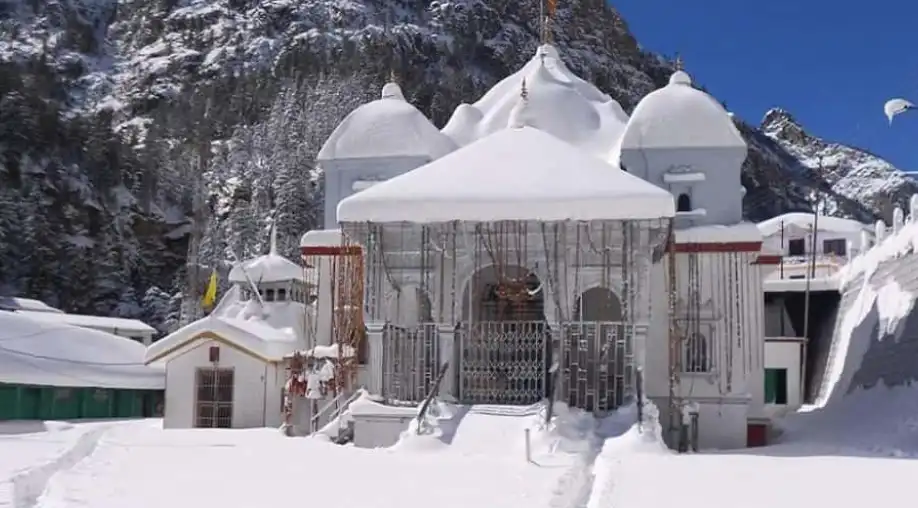
Begin early in the morning, with a picturesque ride to Gangotri Dham, via the lovely valley of Harsil, with its unsullied beauty and deodar forests. At Gangotri, devotees do a sacred bath in the cool waters of Bhagirathi River then pray at Gangotri Temple, which is devoted to Goddess Ganga. Legendary Goddess Ganga descended on earth in this shrine. Visit and rituals and then stay overnight at Uttarkashi and have dinner.
Day 5: Uttarkashi to Guptkashi – Journey Towards Kedarnath
On the 5th day, proceed towards Guptkashi, one of the major destinations that are in the vicinity of Kedarnath Dham. The extensive yet scenic road passes over the Mandakini and Alaknanda rivers offering magnificent views of the Himalayan mountains and their deep gorges. On arrival, Guptkashi has the old Vishwanath Temple and Ardhanarishwar Temple that pilgrims can pay a visit to. The major purpose of this day is rest and adjustment to the altitude since the Kedarnath trek will require good stamina on the following day.
Day 6: Guptkashi to Kedarnath – Darshan at the Jyotirlinga of Lord Shiva
Take a drive to the point of trek to Kedarnath Temple- Gaurikund in the early morning. Pilgrims have the opportunity to walk the trail or ride on ponies, palkis, or helicopters and make their own choice and according to the weather. The journey is tough yet religious and you hear people singing in the mountains Har Har Mahadev. We pray to one of the 12 Jyotirlingas of Lord Shiva when we arrive at Kedarnath Dham which is located in the snowy mountains. We spend the night in the vicinity of Kedarnath in such a way that we can experience the tranquility of the shrine at night.
Day 7: Kedarnath to Pipalkoti / Joshimath – Towards the Final Dham
The day begins with the morning visit of Kedarnath, then continues with the descent and avoids Gaurikund, and proceeds to Pipalkoti or Joshimath. The path is through the forest of the Alps, river valleys and tiny hill towns. This day is when pilgrims can gradually descend the high altitude and this way they can adjust to visiting Badrinath Dham. We eat dinner and spend the night either at Pipalkoti or at Joshimath.
Day 8: Pipalkoti / Joshimath to Badrinath and Departure – Completion of the Sacred Yatra
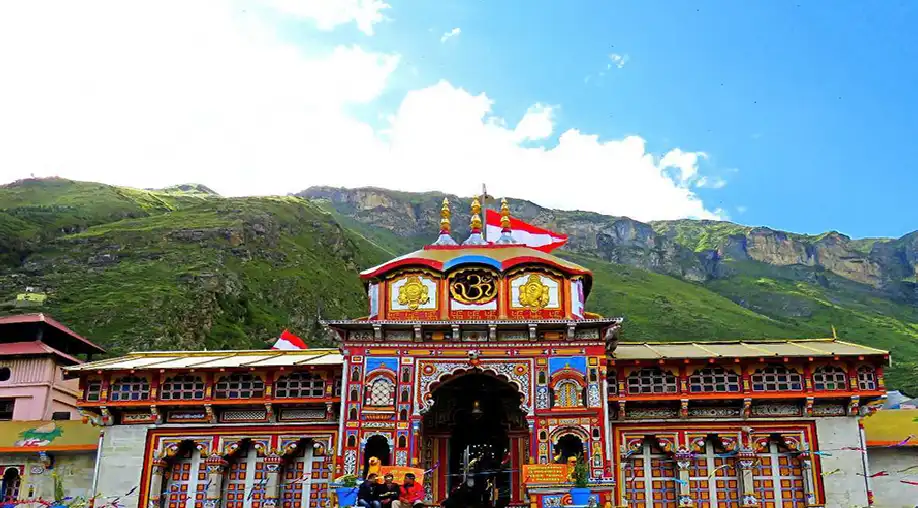
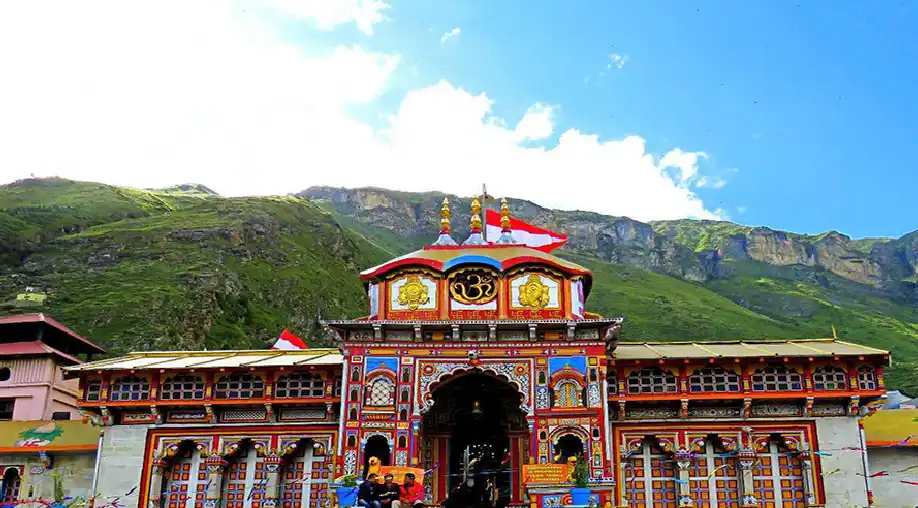
On the last day we will drive to Badrinath Dham which is the sacred house of Lord Vishnu and is situated between Nar and Narayan mountains. At Badrinath Temple, pilgrims perform a holy bath at Tapt Kund and then pray to the Gods. Close to it, there are Mana Village, the final Indian village prior to the Indo-Tibetan frontier, Vyas Gufa, Mata Murti Temple, and Bhim Pul. Following this final visit, this Char Dham Yatra concludes, with all being spiritually satisfied and blessed.
Common Questions
Is 8 days enough for Char Dham Yatra?
Yes, 8 days is ideal for a comfortable and well-paced Char Dham Yatra.
Is overnight stay available at Kedarnath?
Yes, basic accommodations are available near Kedarnath Temple.
Is registration mandatory for Char Dham Yatra?
Yes, government registration is compulsory for all pilgrims.
Can senior citizens complete this yatra?
Yes, with medical fitness and proper planning.
Are helicopter services weather-dependent?
Yes, helicopter operations depend on weather conditions.
Why Book With Rajasthan Cab?
-
Best Price Guarantee
Lower price with transportation and complete package
-
24/7 On-Trip Support
Dedicated support team for WhatsApp, Mail and Call
-
Private AC Vehicles
GPS-tracked, clean Sedan / SUV fleets
-
Certified Tour Operator
Recognized by Rajasthan Tourism - Cert. Ref: TES/2020-21/150
-
25 Years of Trust
Serving thousands of travelers with excellence
-
Highly Rated
400+ Google & 950+ TripAdvisor reviews (4.8)
Certificate of Recognition
Ref. No: TES/2020-21/150
M/s. RAJASTHAN CAB is recognized as TRAVEL AGENCY / EXCURSION AGENCY by Department of Tourism, Rajasthan Government.
Issued: 06/10/2023
Cancellation, Confirmation & Refund Policies
- 25% of the total booking amount is required in advance to confirm the reservation.
- The remaining 75% must be paid upon arrival or as mutually agreed.
- We accept UPI, Net Banking, Credit/Debit Cards, and Cash.
- The customer receives a confirmation voucher via email within 24 hours of successful booking
- In case the preferred slots are unavailable, an alternate schedule of the customer’s preference will be arranged and a new confirmation voucher will be sent via email.
- Alternatively, the customer may choose to cancel their booking before confirmation and a full refund will be processed.
- The customer receives a confirmation voucher via email within 24 hours of successful booking
- In case the preferred slots are unavailable, an alternate schedule of the customer’s preference will be arranged and a new confirmation voucher will be sent via email.
- Alternatively, the customer may choose to cancel their booking before confirmation and a full refund will be processed.
- 45 days before travel no cancellation will be charged.
- 30–45 days before travel: 20% cancellation charge or you can use in future booking similar or morethen current value amount
- 7–30 days before travel: 40% cancellation charge.
- 0–7 days before travel or no-show: 100% of the booking amount will be charged.
- In case of force majeure (natural disasters, strikes, government restrictions), alternate arrangements will be offered. No cash refund in such cases.