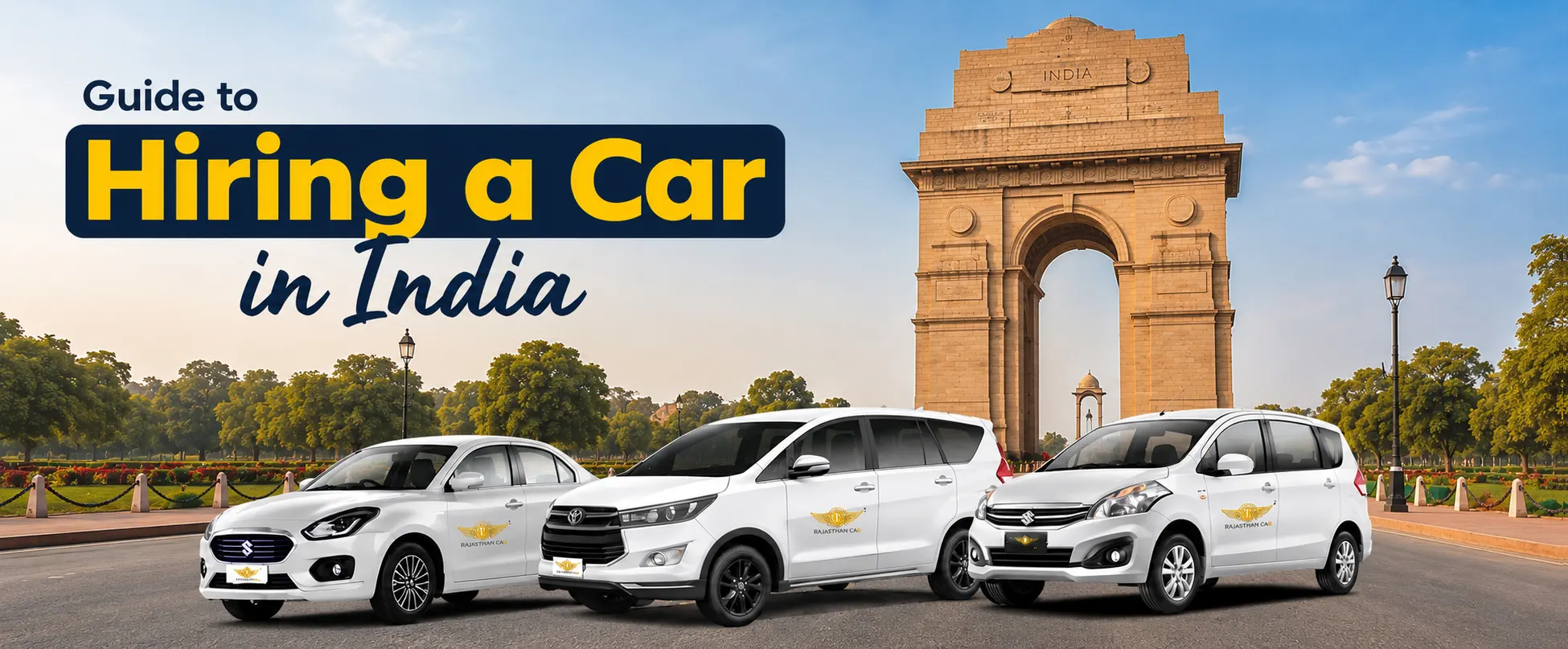
Essential Guide for First-Time Travelers Hiring a Car in India
Hiring a car in India as a first-time traveller can offer comfort, flexibility, and access to off-the-beaten-path destinations. However, it also comes with unique local customs, costs, and safety considerations.
This guide provides practical, experience-driven tips and real-world examples to help you book confidently, stay safe, and get the best value from your car rental or chauffeur-driven car service.
Before You Book a Car in India: What You Need to Know
- Check company reputation and reviews. Choose a licensed, well-reviewed operator with clear contact details and a verified office address; this reduces the risk of scams and poor service.
- Driver or Self-Drive: What’s Best for You? During travel in India, tourists typically choose to hire a car with a driver for local knowledge and a simple paperwork process, but self-drive works well if you have an International Driving Permit (IDP) and are comfortable with Indian roads and driving conditions.
- During peak seasons, you should book early. Reserve your car well before traveling during festivals and tourist seasons from October to March to secure the vehicle type you want, avoid price increases, and travel more comfortably.
- Check the inclusions, exclusions, and extra services provided by the company, and make sure everything is confirmed in writing. Ask whether the quote includes fuel, tolls, parking, state taxes, driver allowance, and overnight charges. Also, request a written invoice and a detailed itinerary with all inclusions and exclusions clearly mentioned.
- Ask the company to provide an experienced driver who knows the selected travel route well. The driver should have good local city knowledge, understand road conditions, and be familiar with the route map for a smooth and safe journey.
Questions to Ask Before Booking a Car
- “Is the fuel charge included or charged separately?”
- “What are the overtime charges and night halting charges?”
- “Do you provide a verified driver? Is an English-speaking driver available?”
- “Do you provide a replacement vehicle or roadside support if the car breaks down?”
- “Is the rental charged on a per-day basis or per-kilometer basis?”
- “Are toll taxes, parking charges, and state taxes included?”
- “Is there any hidden charge apart from the quoted price?”
- “What is the cancellation and refund policy?”
- “Will the same driver stay throughout the tour?”
- “What type and model of vehicle will be provided?”
Documents, Licenses & Legal Essentials
- If you choose a self-drive car, carry your national driving license, a valid International Driving Permit (if required), and copies of your passport and visa. Also, make sure the car rental company accepts your license type.
- If you choose a car with a driver, ask to check the driver’s license, vehicle registration (RC), and vehicle insurance. Also, note down the driver’s name and contact details. Reputable companies usually share these details on request, while some small driver-based companies may share them only after booking confirmation for security and transparency.
- Double-check that the vehicle insurance is valid and covers passengers. Also, clarify the liability limits and emergency procedures.
Choosing the Right Vehicle and Pricing Model
- Pick the Right Car for Your Route and Group Size: compact economy sedans for city / local travel, MUV/SUVs or Innova-type cars for long road trips or rough roads, and minivan/ tempo-travellers for groups travellers. Check luggage space and legroom before booking.
- Understand Car Rental Pricing: fixed per-day costs are often best for outstation multi-day trips, while per-kilometer rates work well for short or local hires. Also, check the minimum kilometer-per-day limits and one-way charges.
- Compare prices from 2–3 car rental companies, but don’t choose only the cheapest option. Check what is included in the price, such as driver allowance, tolls, parking, fuel, and taxes, to avoid extra charges later.
On-the-Road Safety and Comfort
- During pickup, inspect the car carefully, including the car type, tyres, car model, brakes, lights, AC, spare wheel, jack, first aid kit, and phone chargers. Take pictures of any existing damage to avoid disputes later.
- Share your travel itinerary with the driver and a friend or family member. Keep online maps and local emergency numbers handy.
- Expect Different Road Conditions and Driving Styles. Roads in India can be busy and unpredictable, with mixed traffic, animals on the road, and changing road signs. Travel patiently and stay alert. If you are hiring a car with a driver, choose someone with local driving experience and good reviews or references.
- Keep some small cash for tolls, parking, snacks, and tips in places where digital payments may not work. Drivers usually appreciate a small tip for good service.
Average Cost of Hiring a Car With Driver in India
Hiring a private car with a driver is one of the easiest and most comfortable ways to travel in India, especially for first-time tourists. The cost usually depends on the vehicle type, travel distance, season, and number of travel days.
Economy Sedan Cost
Sedan cars like the Maruti Suzuki Dzire or Toyota Etios are good for couples and small families.
- ₹3,000 to ₹5,500 per day
- ₹11 to ₹16 per kilometer
SUV Cost
SUVs like the Toyota Innova Crysta or Maruti Suzuki Ertiga are better for families, groups, and long road trips.
- ₹5,500 to ₹9,000 per day
- ₹16 to ₹25 per kilometer
Sample Daily Travel Budget
- Sedan Package: Usually includes fuel and driver charges.
- SUV Package: Higher cost but more space and comfort.
- Extra Charges: Tolls, parking, state taxes, and driver night charges may cost extra.
Before booking, always ask for a written quote with all inclusions and exclusions clearly mentioned to avoid unexpected charges later.
Handling Problems During the Trip
- If you face any issue during the trip, like driver misbehaviour, vehicle breakdown, or any dispute, contact the company immediately. Reliable travel operators usually provide backup vehicles or alternative drivers. Before booking, make sure to ask about their breakdown support and refund policy.
- If you notice any suspicious or incorrect charges, keep all receipts and contact the company’s customer support immediately. If the issue is not resolved, you can raise a payment dispute through your card provider or booking platform.
- In case of a safety issue or emergency, contact the local police immediately. Foreign travelers should also reach out to their embassy or consulate for assistance. Keep copies of all important documents, receipts, and reports for reference.
Booking Channels and Technology Tips
- Use trusted platforms and aggregator websites to compare prices, but always confirm the details directly with the tour operator before booking. Aggregator sites make price comparison easier, but some discounted offers may have hidden conditions, so always check what is included in the package.
- Choose providers that share verified driver and vehicle details, offer 24/7 customer support, and provide live tracking if available. Clear invoices, digital agreements, and WhatsApp confirmations can help avoid confusion during the trip.
Smart Tips for Travelers
- Ask your driver about good local food stops, sunrise photography spots, and less crowded sightseeing places. Experienced drivers often know hidden viewpoints and authentic local eateries that tourists usually miss.
- If your trip covers multiple states, confirm interstate taxes and permit charges in advance, as some operators charge extra for crossing state borders.
- For a smoother and more comfortable journey, choose a dedicated driver who is familiar with tourist routes instead of hiring random taxis at stations. Pre-booked drivers are usually more reliable and help avoid delays or last-minute cancellations.
Frequently Asked Questions (FAQ)
Do foreigners need an International Driving Permit (IDP) to drive in India?
Many foreign travelers need an International Driving Permit along with their home country driving license for self-drive cars in India. Before booking, check the rules with the rental company and your embassy or consulate.
Is it better to rent a car with or without a driver?
For most first-time visitors, hiring a car with a driver is easier, safer, and less stressful. Self-drive cars may be suitable if you are comfortable driving on Indian roads and understand local traffic rules.
How much should I tip the driver?
Tipping is optional, but appreciated for good service. Many travelers give a small daily tip or one tip at the end of the trip. It’s useful to carry small cash notes for this.
What if the vehicle breaks down during the trip?
Good travel companies usually provide roadside assistance, a backup vehicle, or a replacement driver if needed. Before booking, ask about their breakdown support and emergency contact details.
Final Checklist Before Booking
- Verify the company details and read recent customer reviews.
- Confirm all inclusions and charges before making payment.
- Check the driver’s ID and vehicle documents at pickup.
- Take photos of the vehicle condition before starting the trip.
- Share your itinerary and emergency contacts with family or friends.
- Carry some cash, a power bank, and copies of your booking and ID proof.
With proper planning, clear communication, and a trusted car rental company, your first car hire experience in India can be smooth, safe, and enjoyable.