Char Dham Road Trip from Haridwar: Budget, Route & Itinerary
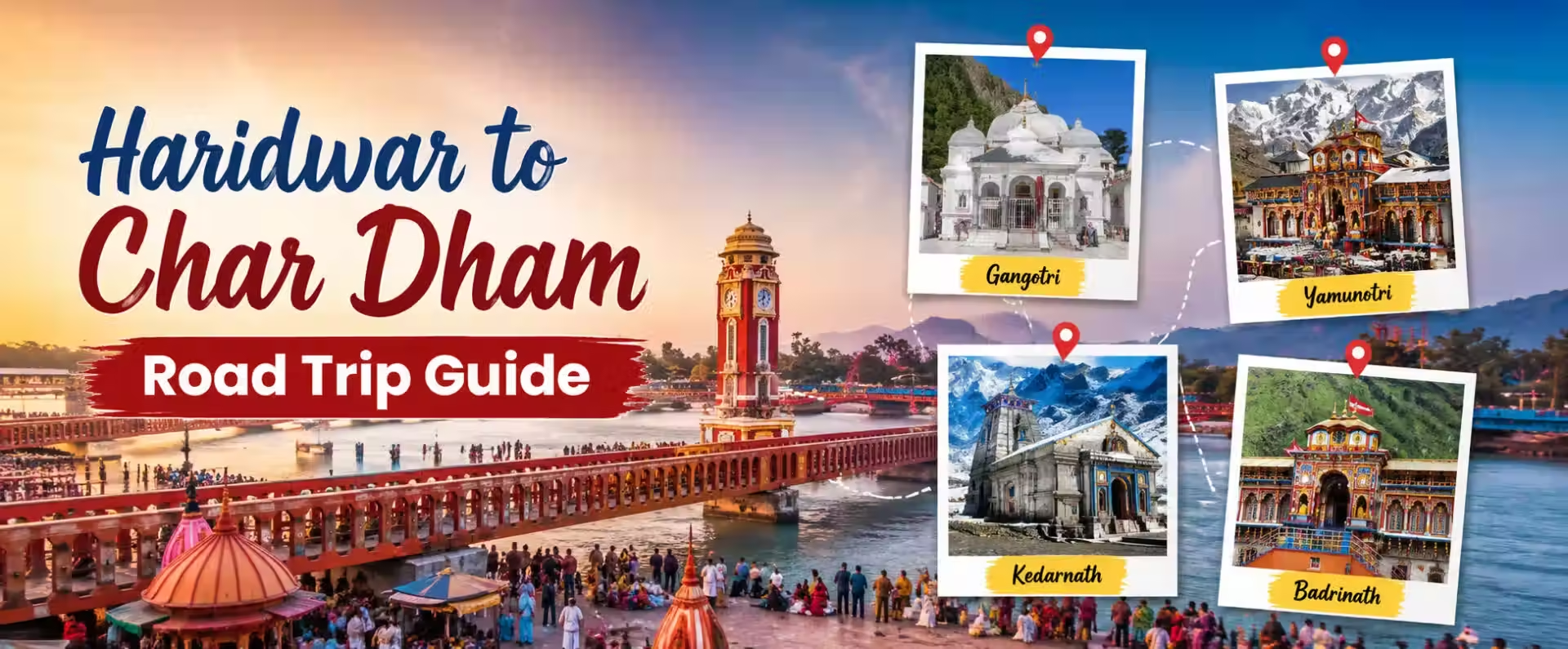
If you are planning a Char Dham Yatra from Haridwar by car this season, it is a great choice to experience a meaningful blend of devotion, mountain travel, and careful preparation. The Char Dham route takes you through the divine Himalayan shrines of Yamunotri, Gangotri, Kedarnath Temple, and Badrinath Temple. A properly planned road trip can make your journey hassle-free, smooth, safe, and more memorable while giving you the flexibility to travel at your own pace.
If you want a complete guide for Char Dham Yatra by car, this post will help you plan your journey better. It covers the complete travel route; day-wise travel plan, trip budget details, packing essentials, and the main reasons why many pilgrims start their journey from Haridwar.
What is Included in Char Dham Yatra
The Uttarakhand Char Dham Yatra package includes four sacred temples: Yamunotri, Gangotri, Kedarnath Temple, and Badrinath Temple. These holy shrines are located in the Garhwal Himalayas and are visited by lakhs of pilgrims every year.
Most travelers begin their journey from Haridwar or Rishikesh because both cities are well connected to the mountain routes and offer transportation, food, lodging, and last-minute travel support.
Why Most Pilgrims Start Char Dham Yatra from Haridwar
Haridwar is among the most preferred starting points for the Char Dham Yatra because it acts as the gateway to the Himalayas. The city lies in the foothills, allowing travelers to rest, prepare, and begin their scenic hill journey with fresh energy and peace of mind. Haridwar also offers easy access to well-maintained cabs, experienced drivers, hotels, and essential supplies before heading towards the mountain roads.
Here are some reasons why many pilgrims prefer to start from Haridwar:
- Haridwar is well connected to the hill routes of Uttarakhand.
- It gives travelers a spiritual start before entering the sacred mountain circuit.
- Travelers can easily find taxis, drivers, and hotels here.
- Travelers can easily buy medicines, snacks, raincoats, and other important items here.
- It gives pilgrims time to prepare themselves before the mountain drive.
Starting the journey from Haridwar also makes the trip more comfortable and organized. Travelers get enough time for both spiritual preparation and travel planning before heading into the hills.
Complete route from Haridwar
A standard Char Dham itinerary by road from Haridwar usually follows this route:
- Haridwar to Barkot
- Barkot to Yamunotri and return to Barkot
- Barkot to Uttarkashi
- Uttarkashi to Gangotri and return to Uttarkashi
- Uttarkashi to Guptkashi or Sitapur
- Guptkashi or Sonprayag to Kedarnath Temple route and return
- Guptkashi to Badrinath Temple
- Badrinath to Haridwar
This travel route works well because it reduces unnecessary backtracking and helps travelers adjust to the mountain weather and altitude. Most travelers prefer visiting Yamunotri and Gangotri first before heading to Kedarnath Temple and Badrinath Temple because this route feels more comfortable for both the body and the travel schedule.

Suggested day-by-day plan
A Char Dham Yatra by car generally takes around 9 to 12 days to complete. The trip duration may change depending on the weather, road conditions, temple crowds, and the amount of rest you take during the travel.
Day 1: Haridwar to Barkot
Begin your journey early and stay overnight in Barkot. This makes the first day more comfortable and gives travelers a smooth start to the hill journey.
Day 2: Barkot to Yamunotri and back
Reach the motorable point, continue by local transport or trek if needed, complete the darshan, and return to Barkot.
Day 3: Barkot to Uttarkashi
Use this day for comfortable travel and proper rest. Uttarkashi is a good resting point before visiting the next temple.
Day 4: Uttarkashi to Gangotri and back
Reach Gangotri, visit the temple, complete the prayers and darshan, and return to Uttarkashi for an overnight stay.
Day 5: Uttarkashi to Guptkashi or Sitapur
This is a long travel day, so it is better to start early in the morning and travel at a comfortable pace without rushing.
Day 6–7: Kedarnath Temple Visit and Return
The Kedarnath journey usually takes extra time because travelers need to manage parking, local transport, and the final trek or shuttle ride to the temple.
Day 8: Guptkashi to Badrinath Temple
Travel towards the final dham and stay overnight near the temple for a comfortable visit.
Day 9: Badrinath Temple Darshan and Rest
Visit the temple, complete the darshan, and take proper rest before the return journey.
Day 10: Badrinath Temple to Haridwar
Start the return journey to Haridwar and keep extra travel time in case of traffic, weather changes, or road delays during the peak season and monsoon months.
Budget Breakdown
The total trip cost depends on your vehicle type, hotel choice, number of travelers, and travel season. For a group of 4 people, a comfortable mid-range Char Dham Yatra budget usually looks like this:
| Expense head | Estimated range |
|---|---|
| Car rental with driver | INR 35,000 to INR 60,000 |
| Fuel and tolls | INR 12,000 to INR 20,000 |
| Hotels and guesthouses | INR 18,000 to INR 40,000 |
| Meals and water | INR 8,000 to INR 16,000 |
| Parking, local transport, misc. | INR 5,000 to INR 12,000 |
| Pony, palanquin, shuttle, donations | INR 5,000 to INR 20,000 |
For a family or small group, the total trip cost usually ranges between ₹85,000 and ₹1,60,000. Travelers can save money by choosing simple hotels and basic meals, while those looking for more comfort may spend extra during the peak travel season.
Travel Tips for a Smooth Journey
Mountain travel becomes easier with proper planning and patience. A comfortable Char Dham trip usually happens when travelers start early, travel at a steady pace, and keep some flexibility in their daily schedule.
- Start your journey early in the morning for a more comfortable drive.
- Avoid driving in the hills at night for better safety.
- Carry some cash because online payments may not work in all areas.
- Keep water, light snacks, and important medicines with you.
- Refill fuel whenever you find a petrol pump in the hills.
- Book hotels early during the busy travel season.
- Check weather and road conditions before starting each day’s journey.
Kedarnath Temple usually requires extra planning, so keep some extra time for this part of the journey.
Vehicle and Driver Advice
A reliable vehicle is very important for mountain roads. Choose a car with good ground clearance, strong brakes, and tyres in good condition. If you are hiring a driver, make sure the driver has experience driving in the hills and mountain areas.
Before starting the journey, check:
- Tyres and the spare wheel
- Brakes and vehicle condition
- Engine oil and coolant levels
- Wipers and headlights
- First-aid kit and medicines
- Mobile chargers and power bank
- ID cards and hotel or travel bookings
An experienced hill driver makes the journey safer, smoother, and more comfortable for travelers.
Packing Checklist
Pack your bags for changing weather, not just one season. The hills can surprise travelers with cold mornings, warm afternoons, and sudden rain during the journey.
Essential Items to Carry
- Warm clothes and a jacket
- Raincoat or poncho for sudden rain
- Comfortable shoes with good grip
- Woollen socks and gloves
- Water bottle
- Personal medicines and basic first-aid items
- Sunscreen and lip balm
- Sunglasses and a cap
- Torch or flashlight
- Dry snacks for the journey
Yatra Essentials
- ID cards and photocopies
- Yatra registration documents if needed
- Simple and comfortable clothing for temple visits
- A small bag for slippers and daily essentials
- Cash for temple offerings and small local purchases
Carry light luggage so you can travel more comfortably during the journey.
Best Time for Char Dham Yatra
The best time for a Char Dham Yatra by car is usually before or after the monsoon season, when road conditions and visibility are better. April to June is the busiest time because the weather is generally good and all routes remain open. July and August often bring heavy rain and possible travel delays. September and October are usually more comfortable, with pleasant weather and fewer crowds.
Common Mistakes to Avoid
Many travelers underestimate mountain travel. Distances may look short on the map, but driving in the hills usually takes much more time.
Avoid these common mistakes:
- Starting the trip without proper planning
- Booking hotels at the last minute
- Driving in the hills after sunset
- Carrying too much luggage
- Ignoring tiredness and mountain weather
- Relying only on mobile maps and internet connection
A relaxed travel pace always works better than rushing through the journey.
Conclusion
A Char Dham Yatra from Haridwar by car becomes much easier with proper planning. Knowing the travel route, budget, weather conditions, and daily schedule in advance helps travelers enjoy a smoother and safer journey. Haridwar also gives pilgrims a spiritual start and serves as a convenient gateway to the Himalayan temples of Uttarakhand.
Frequently Asked Questions
How many days are needed for a Char Dham Yatra by car?
Most travelers need around 9 to 12 days for a comfortable Char Dham road trip from Haridwar.
Why do many pilgrims start from Haridwar?
Haridwar is well connected to the Char Dham route and offers hotels, transport, food, and other travel facilities before entering the hill region.
What is the average budget for 4 people?
A comfortable mid-range trip for 4 people usually costs between ₹85,000 and ₹1,60,000, depending on the season, hotel type, and travel style.
Which dham should be visited first?
Most travelers begin with Yamunotri and Gangotri, and then continue towards Kedarnath Temple and Badrinath Temple.
Can Char Dham Yatra Start from Other Nearby Destinations Besides Haridwar?
Yes, travelers can also start the Char Dham Yatra from nearby cities like Rishikesh, Dehradun, and even Delhi. However, Haridwar remains one of the most preferred starting points because it offers better spiritual atmosphere, hotel options, transport facilities, and easy access to the Char Dham mountain routes.