Why Rajasthan's UNESCO Sites Should Be on Your 2026 Travel List
Rajasthan is home to some of India's most impressive historical and cultural landmarks. If you're planning a trip in 2026, visiting its UNESCO World Heritage Sites should be high on your list.
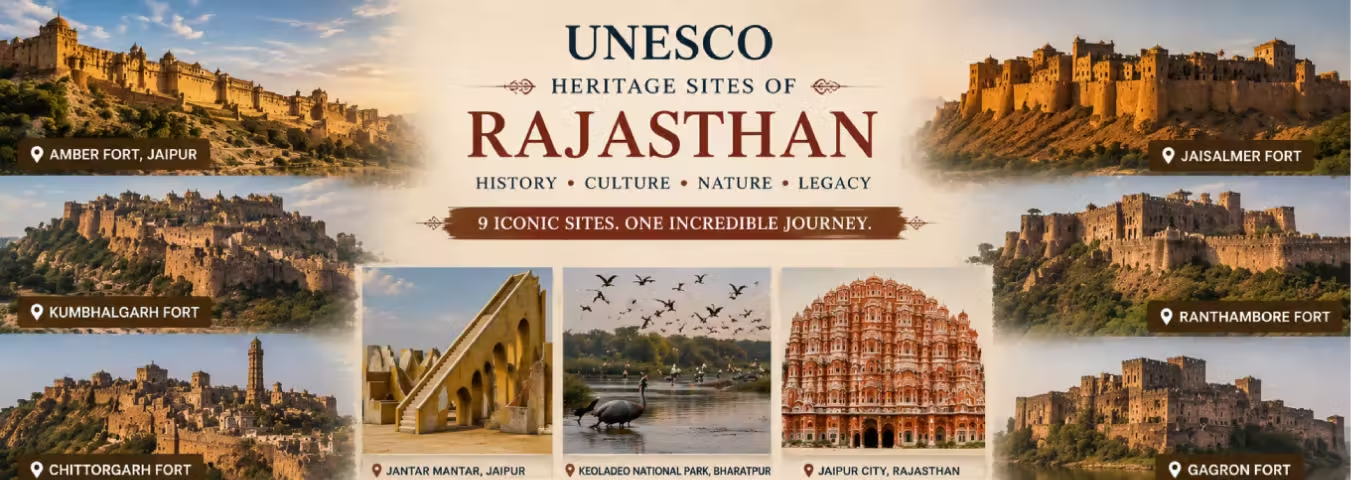
The state has nine UNESCO-recognized sites, more than any other state in India. These include massive hill forts built by Rajput rulers, the famous astronomical observatory in Jaipur, and the bird-rich Keoladeo National Park. Each place offers a different glimpse into Rajasthan's history, architecture, science, and natural beauty.
Walking through centuries-old forts, exploring royal palaces, or watching thousands of migratory birds in their natural habitat gives you a much deeper understanding of Rajasthan than simply visiting the popular tourist spots.
Whether you enjoy history, photography, architecture, wildlife, or cultural experiences, Rajasthan's UNESCO sites offer something memorable for every traveler. They are not just places to visit, but places to experience and understand the rich heritage of the state.
1. Hill Forts of Rajasthan (6 Forts, One UNESCO World Heritage Site)
In 2013, UNESCO added the Hill Forts of Rajasthan to its World Heritage List. Instead of recognizing a single fort, UNESCO included six famous forts across Rajasthan under one heritage site.
These forts were much more than defensive structures. They were built as complete settlements where people lived, worked, worshipped, and stored water. Inside the fort walls, you'll find royal palaces, temples, courtyards, gardens, and impressive examples of Rajput architecture.
Each fort has its own history and unique design, but together they showcase the power, culture, and engineering skills of Rajasthan's Rajput rulers.
| Fort | Location | Key Highlights | Best Time to Visit | Entry Fee |
| Chittorgarh Fort | Chittorgarh | Vijay Stambh, Kirti Stambh, Padmavati Temple, massive scale | Oct–Mar | ₹20 (adults) |
| Kumbhalgarh Fort | Rajsamand | 36-km wall (2nd longest globally), 360 temples, birthplace of Maharana Pratap | Sep–Mar | ₹10 |
| Ranthambore Fort | Sawai Madhopur | 3 Hindu + 1 Jain temple, historic conquests, combines with tiger safari | Nov–Feb | ₹15 |
| Jaisalmer Fort | Jaisalmer | “Golden Fort”/Sonar Kila, 7 Jain temples, living fort with residents | Oct–Mar | ₹50 |
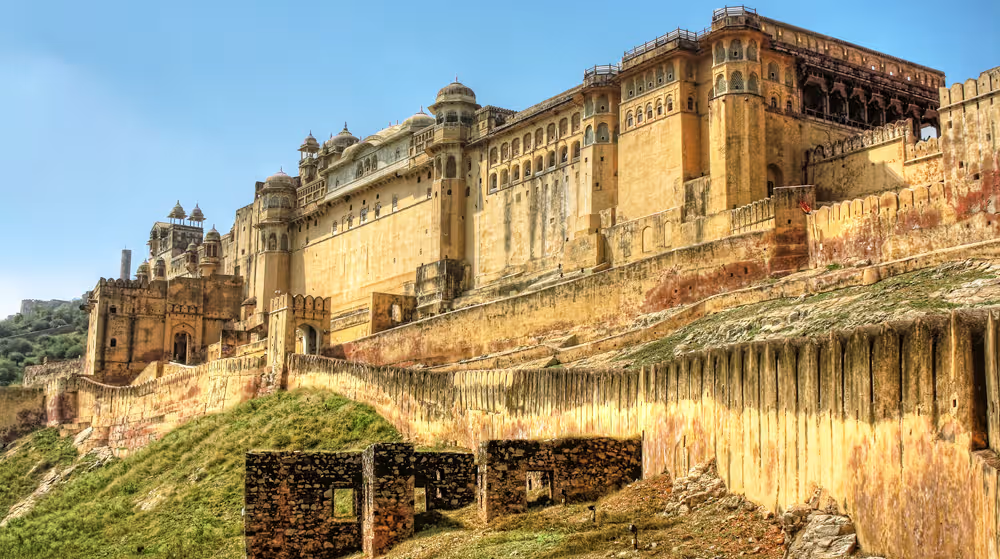
| Amber Fort | Jaipur | Mirror work, Sheesh Mahal, elephant ride option, Kachwaha dynasty | Nov–Jan | ₹25 (adults) |
| Gagron Fort | Jhalawar | Water fort (Jaladurga), surrounded by rivers, free entry | Aug–Mar | Free |
Travel Tip: Forts like Kumbhalgarh and Chittorgarh involve a lot of walking and climbing. Wear comfortable shoes and keep a water bottle with you.
2. Jantar Mantar, Jaipur
Located in the heart of Jaipur, Jantar Mantar was built by Maharaja Sawai Jai Singh II in the 18th century. It is one of the most interesting places to visit in Rajasthan because it combines astronomy, science, and history in a way that's easy to understand.
The observatory contains 19 large stone instruments that were used to measure time, track the movement of planets and stars, and make astronomical calculations. The most famous structure here is the Samrat Yantra, a massive sundial that can tell the time with remarkable accuracy.
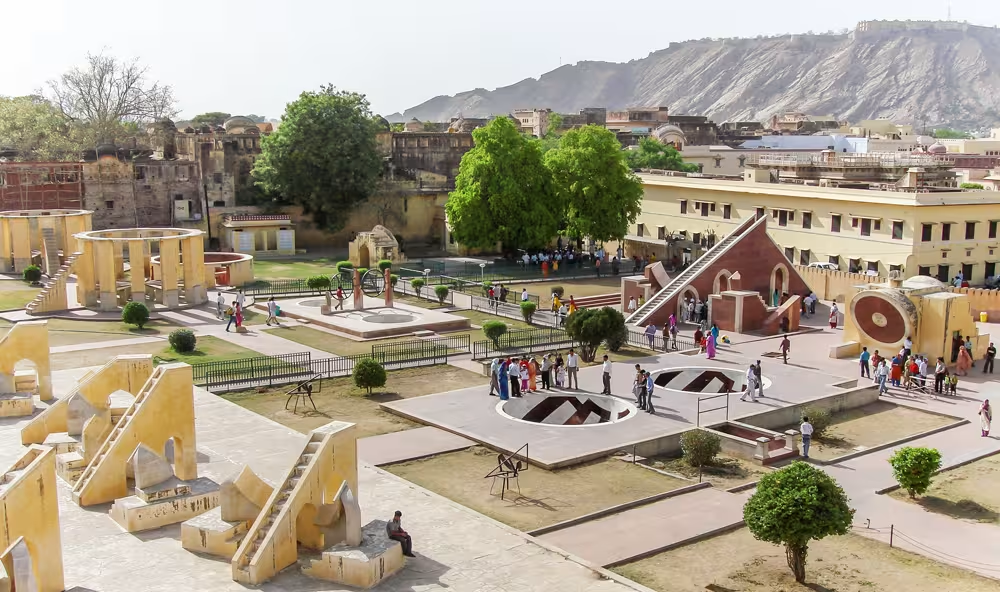
What makes Jantar Mantar special is that these instruments work without modern technology. Long before computers and advanced telescopes, astronomers used these structures to study the sky and make precise observations.
If you're visiting Jaipur, it's worth spending some time here to see how science and architecture came together more than 300 years ago.
Best Time to Visit: October to February, when the weather is pleasant.
Entry Fee: Tickets are available at the monument. Fees may change, so it's best to check the latest rates when you visit.
3. Keoladeo National Park, Bharatpur
Keoladeo National Park is one of the best places in India for birdwatching. Located in Bharatpur, this protected wetland was once used as a royal hunting reserve by the rulers of the region. Today, it is a UNESCO World Heritage Site and attracts nature lovers from around the world.
The park is home to hundreds of bird species throughout the year. During winter, thousands of migratory birds arrive from regions such as Central Asia and Siberia, making it one of the most exciting times to visit. Along with birds, visitors can also spot deer, turtles, and other wildlife within the park.
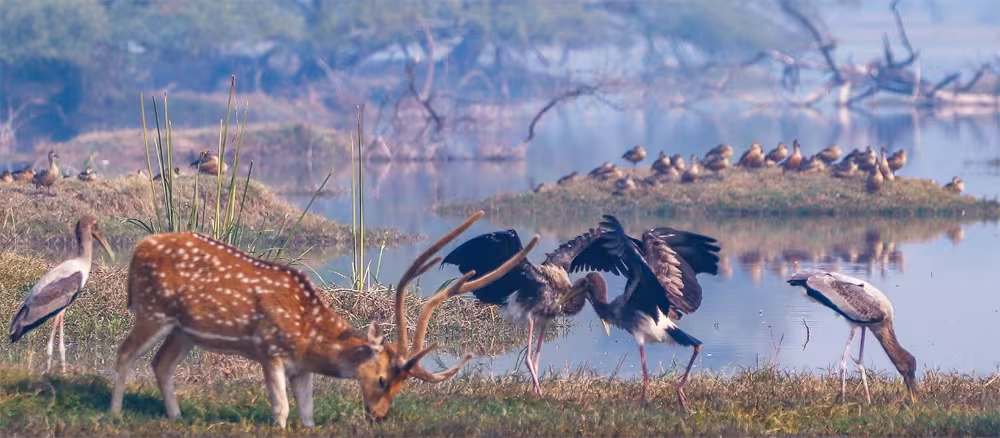
The name "Keoladeo" comes from an ancient Shiva temple located inside the sanctuary. The wetland itself was created more than 200 years ago and continues to support a rich ecosystem.
One of the best things about visiting Keoladeo is that you can explore it at a relaxed pace. Walking, cycling, and cycle-rickshaw tours are all popular ways to experience the park and learn about its wildlife.
Best Time to Visit: October to February, when migratory birds are present and the weather is pleasant.
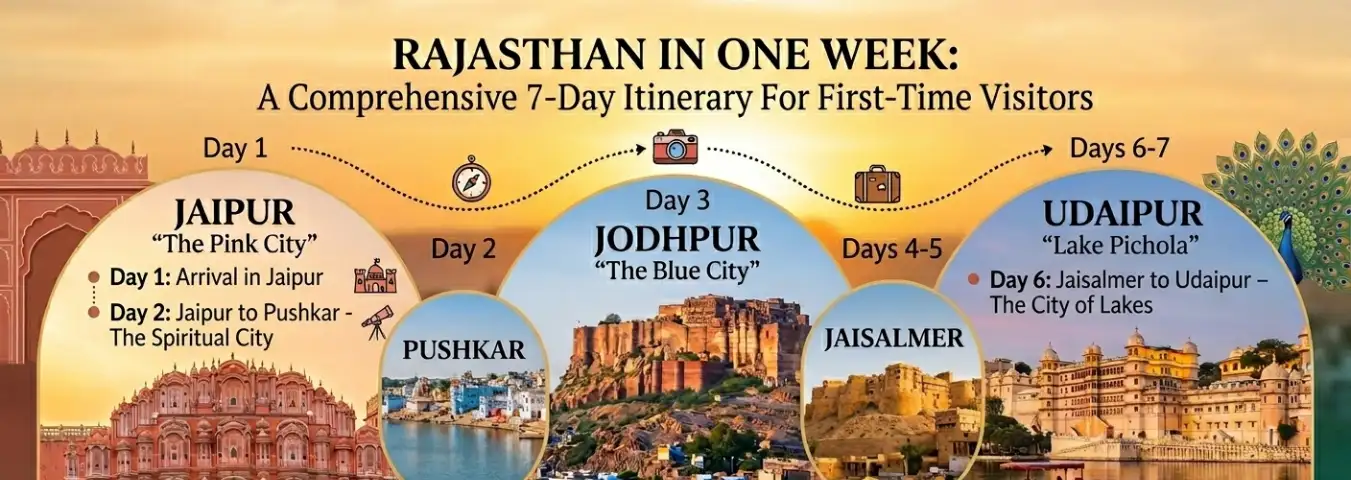
7-Day Rajasthan UNESCO Heritage Itinerary
If you want to explore Rajasthan's most famous UNESCO World Heritage Sites in one trip, this 7-day route covers the major highlights while giving you enough time to enjoy each destination.
Day 1: Jaipur
Start your journey in Jaipur. Visit Amber Fort in the morning before the crowds arrive. Later, explore Jantar Mantar and spend the evening walking through the old markets of the Pink City.
Day 2: Jaipur
Use your second day to explore Jaipur's historic center, local food spots, and heritage buildings. This also gives you a more relaxed start before longer road journeys.
Day 3: Kumbhalgarh
Drive to Kumbhalgarh and spend the day exploring one of Rajasthan's most impressive forts. The massive fort wall, ancient temples, and scenic views of the Aravalli Hills make it a memorable stop.
Day 4: Chittorgarh
Head to Chittorgarh Fort, the largest fort in India. Visit Vijay Stambh, Kirti Stambh, Rana Kumbha Palace, and other important landmarks inside the fort complex. Stay for the evening light and sound show if available.
Day 5: Ranthambore
Travel to Ranthambore and visit Ranthambore Fort. If time permits, take an afternoon or evening safari in Ranthambore National Park, which is famous for its Bengal tigers.
Day 6: Jaisalmer
Explore the living fort of Jaisalmer, where families still live inside the fort walls. Visit the beautiful Jain temples and enjoy sunset views at Gadisar Lake.
Day 7: Bharatpur
Finish your journey at Keoladeo National Park in Bharatpur. A morning walk or cycle-rickshaw tour through the park offers excellent opportunities to spot birds and other wildlife before returning to Jaipur or Delhi.
Why These UNESCO Sites Are Worth Visiting
Rajasthan's UNESCO sites are more than historic monuments. They tell the story of the state's rulers, architects, scientists, and communities.
- Jaisalmer Fort remains one of the few living forts in the world, with residents, shops, and temples still operating inside its walls.
- Kumbhalgarh Fort showcases remarkable engineering, while Jantar Mantar highlights the scientific achievements of the 18th century.
- Keoladeo National Park demonstrates how a man-made wetland can become one of India's most important wildlife habitats.
Together, these sites offer a deeper understanding of Rajasthan's history, culture, and natural heritage.
Useful Tips for Visitors
Before Your Trip
- Book tickets online where available during the busy tourist season.
- Consider hiring a local guide at major forts to learn about their history and legends.
- Start sightseeing early in the morning, especially during warmer months.
What to Carry
- Comfortable walking shoes
- Hat, sunglasses, and sunscreen
- Reusable water bottle
- Power bank for your phone or camera
Local Etiquette
- Dress respectfully when visiting temples and religious sites.
- Ask for permission before taking close-up photographs of local residents.
- Follow site rules regarding footwear and restricted areas.
Final Thoughts
Rajasthan's UNESCO World Heritage Sites offer much more than beautiful photos and historic monuments. From the massive hill forts and the scientific wonders of Jantar Mantar to the wildlife-rich Keoladeo National Park, each site tells a different part of Rajasthan's story.
Whether you're interested in history, architecture, culture, or nature, these places provide experiences that stay with you long after your trip ends.
If you're planning a Rajasthan tour in 2026, try to include at least a few of these UNESCO sites in your itinerary. They are among the state's most important landmarks and offer a deeper understanding of Rajasthan's rich heritage.
Before you travel, check the latest opening hours, entry fees, and visitor guidelines, as they may change from time to time.