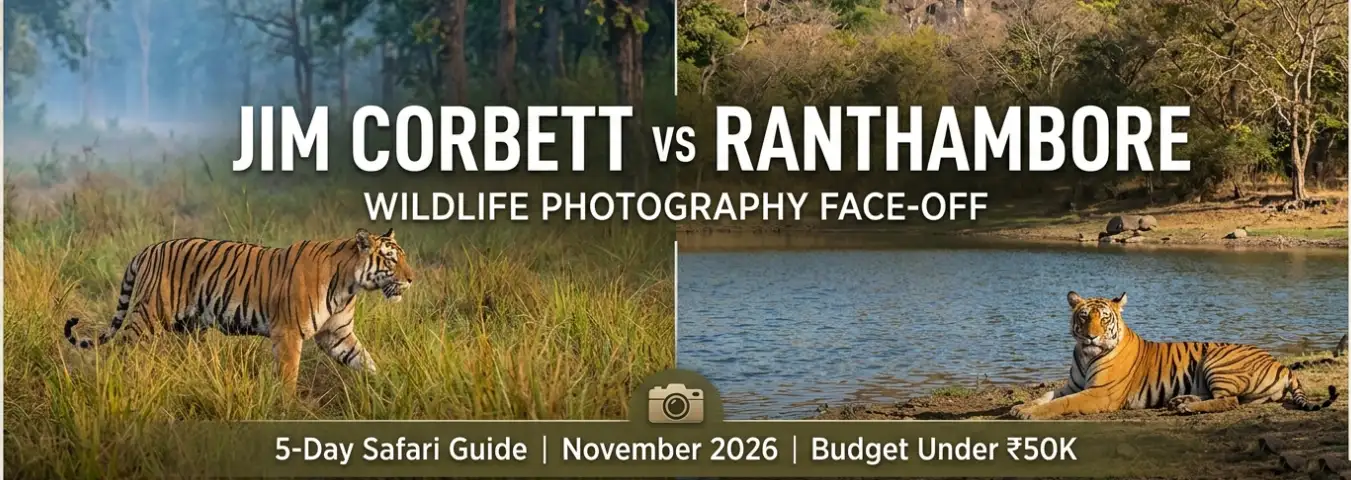
Every serious wildlife photographer in India eventually faces this question: Jim Corbett or Ranthambore? Both are legendary tiger reserves. Both are accessible from Delhi. Both open their gates to the world in November as the peak safari season begins. But for a 5-day trip with a ₹50,000 budget and a camera bag, they offer dramatically different experiences — and the wrong choice can mean returning home without the shot you came for.
We are not travel bloggers writing from a laptop.
We are a Jaipur-based tour operator with over 25 years of experience driving photographers, wildlife enthusiasts, and first-time safari travellers to both Ranthambore and Jim Corbett. We have sat in the jeep at Padam Talao at 6 AM when a tigress walked out of the treeline twenty metres away. We have driven the Ramnagar road at dawn with a photographer who had flown in from London specifically for Dhikala. We know which zones produce sightings in November, which lodges sit closest to the core gates, and which drivers give you the best chance of a frame-filling tiger shot.
This guide is built on that ground-level knowledge, combined with a photographer's breakdown of tiger visibility, light quality, zone strategy, November-specific conditions, and a rupee-by-rupee budget that actually reflects what you will spend in 2026, not what a generic travel site estimates.
Our verdict upfront: For a 5-day, ₹50,000 budget wildlife photography trip in November, Ranthambore is the better choice for most photographers, especially for tiger-focused shots. Corbett wins for biodiversity, atmosphere, and artistic depth. Read on for the full breakdown.
Jim Corbett vs Ranthambore - At a Glance
|
Point |
Ranthambore |
Jim Corbett |
|---|---|---|
|
Location |
Sawai Madhopur, Rajasthan |
Ramnagar, Uttarakhand |
|
Distance from Delhi |
~370 km (5–6 hrs by train) |
~260 km (5–6 hrs by train + cab) |
|
Park Area |
~1,334 sq. km |
~1,318 sq. km (core + buffer) |
|
Tiger Population (approx.) |
~80–90 tigers |
~260-350 tigers (larger range) |
|
Tiger Sighting Rate (Nov) |
60–70% probability |
30–45% probability |
|
Terrain |
Open scrub, rocky outcrops, and lakes |
Dense sal forest, tall grasslands, river |
|
November Light Quality |
Warm golden - sharp portrait light |
Soft, misty, atmospheric landscape light |
|
Safari Zones |
10 zones (5 core, 5 buffer) |
5+ zones (Dhikala, Bijrani, Jhirna, Dhela) |
|
Best Known For |
Consistent tiger sightings |
Biodiversity + Himalayan foothills backdrop |
|
5-Day Budget (₹50K) |
Fits comfortably |
Tight - Dhikala pushes over budget |
|
Birdwatching |
Around 300+ birds species |
Around 600+ bird species |
|
Best Time to Visit |
March–May for best tiger sightings, Oct–Feb for cooler safaris |
March–June for wildlife sightings, Nov–Feb for pleasant weather |
|
Best For |
First‑time tiger safari travellers and photographers |
Nature lovers, birdwatchers, and biodiversity enthusiasts |
|
Overall experience |
Higher chance of tiger sightings |
Deep jungle safari with biodiversity |
November in Both Parks - What to Expect
Why November is Special for Wildlife Photography
November marks the beginning of India's peak safari season - and both parks benefit enormously from it. The monsoon has just retreated. Vegetation is lush but thinning. Water levels are dropping, which pulls wildlife toward fewer, more predictable water bodies. The sky is clear, temperatures are moderate (12°C to 28°C during the day), and the golden-hour light - the photographer's holy grail - is at its richest in the November morning and evening slots.
November at Ranthambore
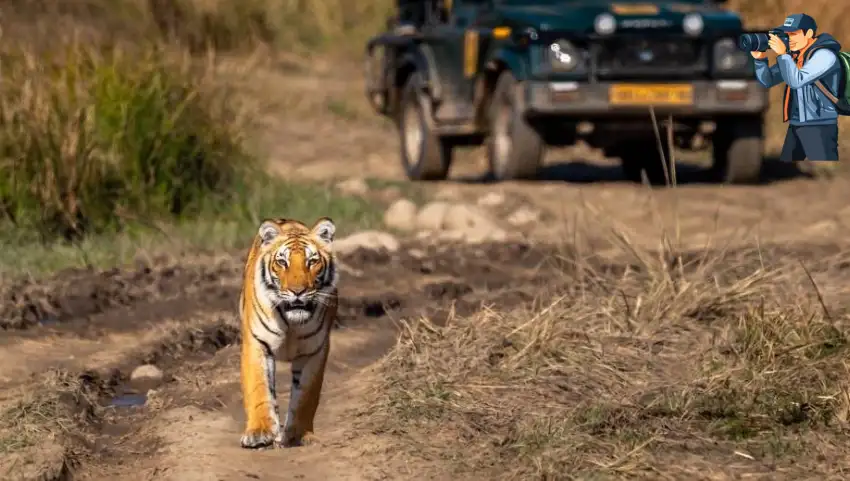
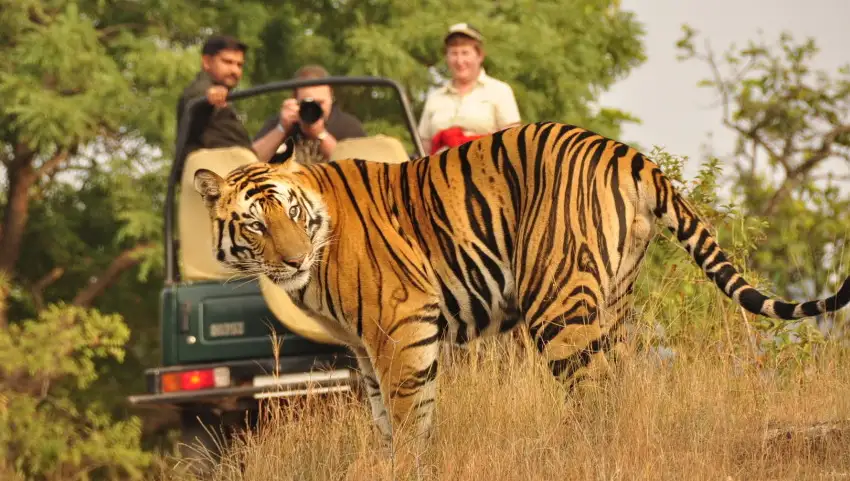
November is one of Ranthambore's strongest months. All 10 safari zones are fully open after the monsoon closure. Tigers are highly active post-monsoon - marking territory, drinking at the park's famous lakes (Malik Talao, Padam Talao, Raj Bagh), and occasionally staging ambushes near water. The landscape transitions from monsoon green to a drier golden-ochre palette that creates exceptionally dramatic portrait backgrounds.
- All core zones (1–5) are open and fully accessible
- Tiger sighting probability: 60–70% per safari
- Light: warm, golden, with clear skies - ideal for wildlife portraits
- Weather: Daytime temperatures range from 15°C to 25°C, with cooler mornings around 8-12°C. Cool mornings require one light jacket
- Crowd level: high - book safari permits 60–90 days in advance
Note: Book Ranthambore safaris through the official Rajasthan Forest Department portal (rajasthan.gov.in). November slots in zones 2, 3, and 4 fill up within hours of opening. Set a booking alert or have your tour operator handle it.
November at Jim Corbett
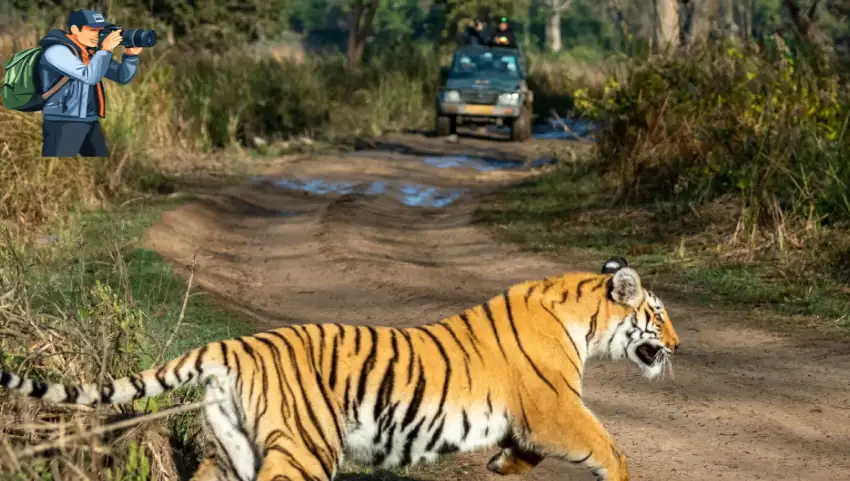
Corbett in November requires careful zone selection. The iconic Dhikala zone - widely considered the best photography zone in the park - only opens in mid-November after the monsoon. If your trip falls in early November, Dhikala may be inaccessible, limiting you to the Bijrani, Jhirna, and Dhela zones.
- Bijrani and Jhirna: open from October - good for all-round wildlife, moderate tiger sightings
- Dhikala: opens approximately mid-November - dramatic chaurs (grasslands), riverbeds, best photography in Corbett
- Tiger sighting probability: 30–45% per safari - more elusive due to dense cover
- Light: soft, misty mornings - beautiful for atmospheric landscape shots but challenging for sharp portraits
- Weather: The park experiences pleasant winter weather with temperatures ranging from 10°C to 25°C. Early mornings and late afternoons can be quite chilly (5-10°C). Misty mornings need warm layers for photography
If your November trip starts after the 15th and you want Dhikala, plan for 2 full days in the zone. Booking a forest rest house inside Dhikala gives you access to the zone at dawn and dusk without the commute - but it books out months in advance.
Head-to-Head Photography Scorecard
Here is a factor-by-factor comparison across the metrics that matter most for a wildlife photography trip:
|
Factor |
Ranthambore |
Jim Corbett |
Winner |
|---|---|---|---|
|
Tiger Sighting Probability |
60–70% (open terrain, habituated tigers) |
30–45% (dense forest, elusive tigers) |
Ranthambore |
|
Landscape & Background |
Rocky outcrops, lakes, dry scrub - dramatic portraits |
Sal forest, mist, Ramganga river - atmospheric storytelling |
Draw |
|
Wildlife Variety |
Tiger, leopard, sloth bear, crocodile, 300+ birds |
Tiger, elephant, leopard, 600+ birds, deer |
Corbett |
|
Photography Light (Nov) |
Warm golden hour, clear haze - great for portraits |
Soft, misty light, dreamy fog - great for landscapes |
Draw |
|
Safari Zone Predictability |
Zones 2–5 are reliable; guide expertise is critical |
Dhikala/Bijrani is strong but unpredictable in dense cover |
Ranthambore |
|
Budget Fit (₹50K / 5 days) |
Fits comfortably - mid-range stays accessible |
Tight - Dhikala zone adds cost; limited budget stays |
Ranthambore |
|
November Accessibility |
All core zones open post-monsoon |
Dhikala opens mid-Nov only; Bijrani/Jhirna open Oct |
Ranthambore |
|
Ease of Logistics |
Sawai Madhopur station - easy Delhi/Jaipur access |
Ramnagar - extra transfers required from Delhi |
Ranthambore |
|
Crowd Level (Nov) |
High demand - book 60–90 days ahead |
High demand - Dhikala is very competitive to book |
Slight edge: Corbett |
|
Best For Photographer Type |
Tiger portrait specialist, beginner–intermediate |
Landscape + biodiversity; advanced/patient photographer |
Depends on style |
Safari Zones Guide - Where to Go for the Best Shots
|
Park |
Zone |
Tiger Sighting |
Best For Photography |
Nov Status |
|---|---|---|---|---|
|
Ranthambore |
Zone 2 |
★★★★★ |
Open lakes, rocky terrain - tiger portraits |
Open |
|
Ranthambore |
Zone 3 |
★★★★☆ |
Lakeside backgrounds, dramatic light |
Open |
|
Ranthambore |
Zone 4 |
★★★★☆ |
Forest + ruins - unique Rajasthan backdrops |
Open |
|
Ranthambore |
Zone 6–10 |
★★★☆☆ |
Quieter, fewer vehicles - patient photography |
Open |
|
Jim Corbett |
Bijrani |
★★★☆☆ |
Grasslands + dense forest - all-round wildlife |
Open Oct |
|
Jim Corbett |
Jhirna |
★★★☆☆ |
Sloth bear, leopard, elephant - diversity shots |
Open Oct |
|
Jim Corbett |
Dhikala |
★★★★☆ |
Scenic chairs (grasslands), riverbeds, raptors |
Mid-Nov only |
|
Jim Corbett |
Dhela |
★★☆☆☆ |
Budget-friendly buffer zone - landscape frames |
Open |
Ranthambore Zones Breakdown
Ranthambore has 10 zones (1-10), with zones 1-6 being core and 7-10 buffer areas.
|
Zone |
Highlights |
Best For |
|
Zones 1-5 (Core) |
Highest tiger density: Historic monuments; Scenic lakes |
Maximum tiger sighting probability |
|
Zone 6 (Core) |
Kachida Valley; excellent for leopards |
Dramatic rocky landscape |
|
Zones 7-10 (Buffer) |
Lower tiger density, but good wildlife |
Easy bookings; less congestion |
Jim Corbett Zones Breakdown
|
Zone |
Highlights |
Best For |
|---|---|---|
|
Dhikala |
Core area with the highest tiger density; overnight stay required |
Serious wildlife enthusiasts |
|
Bijrani |
Excellent for day visitors; high tiger/ elephant sighting rate |
First-time visitors |
|
Jhirna |
Open year-round; good tiger sightings |
Off-season travel |
|
Dhela |
Newest zone (2014); buffer area with good wildlife |
Photographers seeking a quieter experience |
|
Durga Devi |
Bird watching: elephant sightings |
Peaceful, off-beat experience |
Zone Strategy - Ranthambore
Zones 2 and 3 (First Choice): These zones cover the famous Ranthambore lakes - Padam Talao and Malik Talao - where tigers drink and rest in full view. The open rocky terrain means fewer obstructions between your lens and the subject. Morning light hitting the water creates the kind of frames you see on magazine covers.
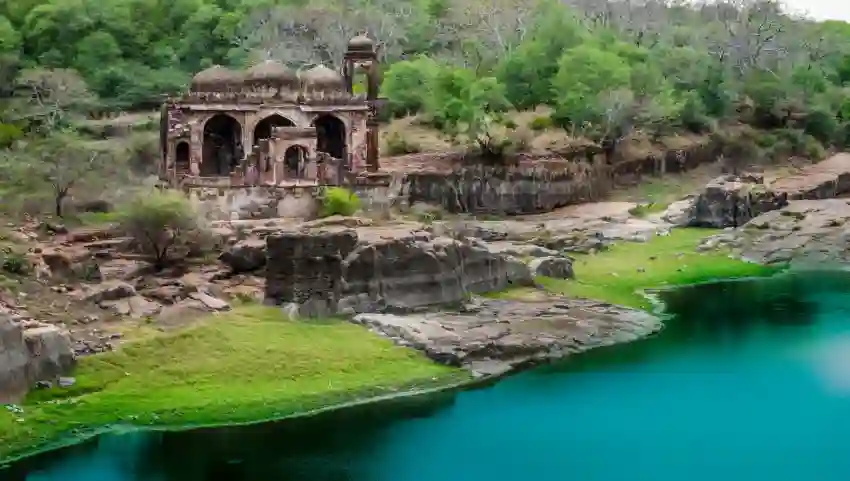
Zone 4 (Second Choice): Covers the ancient ruins of Ranthambore Fort - a UNESCO-listed structure inside the tiger reserve. A tiger emerging against a 10th-century battlemented wall is a shot anywhere else in the world. Tiger sightings are slightly less frequent, but the photographic reward is enormous.
Zones 6–10 (Buffer - Budget Option): Fewer vehicles, quieter atmosphere, lower sighting frequency. Good for patient photographers who want undisturbed compositions and are comfortable with fewer guarantees.
Zone Strategy - Jim Corbett
Dhikala (Top Pick - mid-Nov onwards): The most scenic zone in Corbett. Open chaurs (elephant grasslands) along the Ramganga River offer dramatic wide-angle opportunities with the Himalayan foothills as a backdrop. Tigers, elephants, and a stunning variety of raptors. Requires booking of the forest rest house for the best access.
Bijrani (Best for Early November): Mixed forest and grassland. Decent tiger territory. Good for elephant, deer, and bird photography. More predictable than Dhikala for shorter stays.
Jhirna (Sloth Bear + Leopard): The only Corbett zone open year-round. Lower tiger density but very good for sloth bear sightings - a rare and highly photogenic subject. Good backup option.
Photography Conditions - Light, Terrain, and Subjects
Light Quality - The Photographer's Perspective
Light is arguably more important than the subject itself in wildlife photography - and the two parks deliver entirely different palettes in November.
Ranthambore light: Warm, golden, and sharp. The open terrain means sunrise and sunset light hits your subject directly with minimal obstruction. The dusty, dry air in late November creates a warm haze that adds depth to background bokeh. Ideal for dramatic tiger portraits with punchy colours.
Corbett light: Softer and more atmospheric. Morning mist drifts through the sal forest, creating an almost painterly quality. Backlit fog shots, elephants emerging from tree lines, and misty river scenes are Corbett's photographic signature. Ideal for storytelling and landscape-driven wildlife photography.
Subject Availability
Ranthambore's wildlife list for a 5-day trip in November realistically includes: Bengal tiger (primary subject), mugger crocodile (unique to Ranthambore - excellent alongside tigers at the lakes), Indian leopard (nocturnal, rare daytime sightings), sloth bear, nilgai, chital, sambar, and 300+ bird species, including painted storks, kingfishers, and eagles.
Corbett's list extends further: Bengal tiger (harder to find), Asian elephant (one of India's most reliable destinations), Indian leopard, sloth bear, gharial and mugger crocodile (Ramganga river), over 600 bird species, including the rare Pallas's fish eagle and Great hornbill. For a wildlife photographer who wants more than just tiger portraits, Corbett's biodiversity is unmatched.
Vehicle Dynamics - How Many Jeeps Around Your Subject?
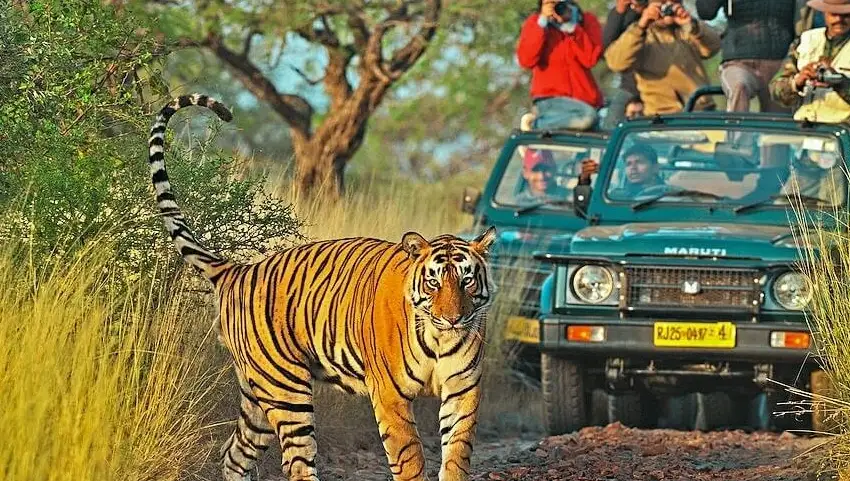
This is a critical factor that most travel articles ignore. When a tiger is sighted in Ranthambore, multiple jeeps from the same zone can converge on the location - sometimes 5 to 8 vehicles within minutes. This limits your shooting angles and can cause stress during the sighting. In Corbett's denser forest, sightings are typically more intimate - fewer vehicles, less converging - but you may only get a 30-second window before the animal disappears into cover.
In Ranthambore, position yourself in the jeep on the side facing the open terrain or water body - not the roadside. Brief your driver before entering the zone about your preference for clear angles and patience over speed.
Detailed Budget Breakdown - ₹50,000 for 5 Days
Ranthambore - 5 Days Budget (for 2 Travellers)
|
Expense |
Details |
Est. Cost (₹) — Solo |
Rajasthan Cab Package (2 Pax) |
Notes |
|---|---|---|---|---|
|
Train (Delhi–Sawai Madhopur–Delhi) |
2AC return |
2,400–3,200 |
Included |
~5.5 hrs each way |
|
Accommodation (4 nights) |
Mid-range lodge near the park gate |
12,000–16,000 |
Included |
₹3,000–4,000/night |
|
Safari — 6 jeep safaris (shared) |
2 per day × 3 days at ₹2,200/person |
13,200 |
Included |
Core zones 2–4 |
|
Meals (5 days) |
Hotel breakfast + local dhabas |
4,000–5,000 |
Included |
~₹800–1,000/day |
|
Local transport |
Auto/cab to gate, local transfers |
1,500–2,000 |
Included |
Private AC cab throughout |
|
Park guide tip + misc |
Gratuity, water, sunscreen, supplies |
2,000 |
Included |
|
|
TOTAL |
— |
₹35,100–41,400 (solo DIY) |
₹45,000 for 2 pax |
All inclusive — no hidden costs |
Rajasthan Cab's 5-day Ranthambore package starts at ₹45,000 for 2 people — covering accommodation, all safaris, meals, and private cab transfers. That's ₹22,500 per person, all inclusive. WhatsApp us for availability and booking.
Jim Corbett - 5 Days Budget (Solo Traveller)
|
Expense |
Details |
Est. Cost (₹) |
Notes |
|---|---|---|---|
|
Train (Delhi–Ramnagar–Delhi) |
2AC return |
2,800–3,600 |
~6–7 hrs each way |
|
Cab (Ramnagar to park zone) |
Return transfers to Bijrani/Dhela |
2,500–3,500 |
Dhikala adds cost |
|
Accommodation (4 nights) |
Mid-range resort near Bijrani Gate |
14,000–20,000 |
₹3,500–5,000/night |
|
Safari - 6 jeep safaris (shared) |
2 per day × 3 safari days |
12,000–15,000 |
Dhikala: ₹5,000+/person |
|
Meals (5 days) |
Hotel meals + local options |
5,000–6,000 |
Options are fewer near the park |
|
Local transport + misc |
Gate transfers, tips, supplies |
2,500–3,000 |
- |
|
TOTAL |
- |
₹38,800 – ₹51,100 |
Dhikala pushes over ₹50K |
Total estimated spend: ₹38,800 – ₹51,100. Corbett sits right at the ₹50K edge - and pushes over if you include Dhikala zone safaris, which are priced higher and require additional internal transfers. Budget travellers who skip Dhikala can stay within ₹50K, but they will also be skipping the park's best photography zone.
Budget Verdict: Ranthambore is the more budget-friendly option, leaving meaningful headroom within ₹50K. Corbett can exceed ₹50K if Dhikala is included, which it should be for serious photography.
How to Reach
Ranthambore
-
Nearest Station: Sawai Madhopur Junction (well-connected to Delhi, Mumbai, Jaipur)
-
By Road: 3.5 hours from Jaipur (160 km); 6-7 hours from Delhi (380 km)
-
By Air: Jaipur Airport (180 km, 3.5-hour drive)
Jim Corbett
-
Nearest Town: Ramnagar
-
By Train: Ramnagar station is well-connected to Delhi and Lucknow
-
By Road: 6-7 hours from Delhi (260 km) via excellent highways
-
By Air: Pantnagar Airport (80 km) with limited flights from Delhi
Suggested 5-Day Itinerary - Both Parks
Option A: Ranthambore - 5 Days
Day 1: Travel from Delhi. Overnight train to Sawai Madhopur (departs ~11 PM, arrives ~4:30 AM). Check into the lodge. Rest. Evening: brief the driver on zone preference and photography goals.
Day 2: Morning safari (Zone 2 or 3 - tigers at lakeside). Afternoon rest + equipment check. Evening safari (Zone 4 - fort ruins backdrop).
Day 3: Morning safari (Zone 3 - repeat zone if sighting was good, or switch to Zone 5). Afternoon: edit, rest, scout lodge area for birds. Safari (Zone 2).
Day 4: Morning safari (Zone 4 or request Zone 6 for a quieter atmosphere). Full afternoon rest and editing session. Sunset at Ranthambore Fort viewpoint (outside park - no permit needed).
Day 5: Morning safari (final session - zone based on previous sightings intel from naturalist). Post-safari: catch the afternoon train back to Delhi. Journey ~5.5 hours.
Note: 6 safaris over 3.5 days give you approximately 21 hours inside the park - the maximum productive photography time possible within a 5-day frame.
Option B: Jim Corbett - 5 Days (mid-November, Dhikala open)
Day 1: Delhi to Ramnagar by train (~6 hrs). Cab from Ramnagar to Bijrani gate area (~1 hr). Check in. Rest.
Day 2: Morning safari - Bijrani zone (mixed forest, tiger territory). Afternoon rest. Evening safari - Bijrani.
Day 3: Transfer to Dhikala rest house (booking). Full day in Dhikala zone - morning and afternoon safaris. Grassland landscape shots, elephant herds, raptors.
Day 4: Second full day at Dhikala - dawn light on the chaurs. Tiger or elephant sighting near the Ramganga River. Afternoon edit session.
Day 5: Morning safari - Jhirna zone (sloth bear opportunity). Cab back to Ramnagar. Evening train to Delhi.
Note: Dhikala requires a separate zone permit and forest rest house booking - managed through the Jim Corbett National Park online portal. Availability in November is extremely limited. Book as early as the portal allows (typically 45–90 days ahead).
Photography Gear Checklist for Both Parks
|
Equipment |
Ranthambore Use |
Corbett Use |
Priority |
|---|---|---|---|
|
300–500mm telephoto lens |
Tiger portraits at an open distance |
Dense forest - longer reach needed |
Essential |
|
400mm+ prime / 600mm |
Good for close zones 2–3 |
Strongly recommended - elusive sightings |
High for Corbett |
|
Bean bag/window mount |
Critical - jeep window rests |
Critical - jeep window rests |
Essential |
|
Extra batteries (×3 min) |
Cold Nov mornings drain fast |
Mist + cold drains faster |
Essential |
|
Dust cover/rain sleeve |
Dusty dry terrain in Nov |
Misty mornings - moisture risk |
Essential |
|
Monopod |
Useful for longer waits |
More useful - unpredictable wait times |
Recommended |
|
Circular polariser filter |
Reduces lake glare - zone 2–3 |
Less critical in the forest |
Ranthambore priority |
|
High-speed SD cards (V60+) |
Burst mode for tiger action |
Burst mode for moving targets |
Essential |
Camera Settings Guide - November Safari
Shutter speed: Minimum 1/1000s for moving tigers; 1/1600s for action shots. Do not compromise 1/800s even in low light - use ISO to compensate.
Aperture: f/5.6 to f/8 for a sharp subject with background separation. f/4 for low-light early morning slots.
ISO: Do not be afraid of ISO 1600–3200 in Corbett's shaded forest or early morning slots in both parks. Modern mirrorless sensors handle this well.
Burst mode: Use a 10–15 fps burst for any moving animal - especially tigers walking towards the vehicle, which can happen without warning.
White balance: Ranthambore - Sunny/Daylight (5500K). Corbett mornings - Cloudy (6500K) to retain warmth in misty shots.
The Honest Verdict - Which Park Should You Choose?
Choose Ranthambore If:
- Tiger photography is your primary objective
- You want the highest probability of a quality, frame-filling tiger sighting
- You are a beginner or intermediate wildlife photographer building your portfolio
- You are travelling solo or as a couple on a strict ₹50,000 budget
- You want easier logistics - direct train from Delhi/Jaipur to Sawai Madhopur
- You are combining the wildlife trip with a Rajasthan heritage tour (Jaipur is 3.5 hrs away)
Choose Jim Corbett If:
- You already have strong tiger images and want to diversify your portfolio
- Elephant, bird, and biodiversity photography excite you as much as big cats
- You are an experienced, patient photographer comfortable with lower sighting odds
- You can travel after November 15, when the Dhikala zone opens
- You want landscape-driven, atmospheric wildlife imagery over high-contrast portraits
- Your budget has flexibility beyond ₹50K, or you are travelling in a group, sharing costs
In Conclusion
For a 5-day, ₹50,000 November trip specifically focused on wildlife photography results, Ranthambore wins - comfortably. The combination of higher tiger visibility, budget-friendly logistics, photogenic open terrain, and the unique Ranthambore Fort makes it a more reliable investment for photographers. Jim Corbett, on the other hand, boasts rich biodiversity, diverse landscapes, and a wide variety of birdlife. If tiger sightings are your primary goal, Ranthambore offers a 60-70% chance with better rail connectivity. Jim Corbett offers the thrill of encountering large wild elephants, an immersive deep-jungle experience, and diverse birdlife.